Quick Answer: A 60-year-old man in Spain was initially misdiagnosed with brain cancer, only to discover he had parasitic worms. This case highlights the importance of accurate diagnosis and raises questions about the role of AI in medical diagnostics.
What This Means: Understanding the Diagnosis
The case of the Spanish man illustrates the complexities of diagnosing neurological conditions. Initially presenting with persistent headaches and behavioral changes, his symptoms led doctors to suspect a severe issue, such as metastatic cancer. Upon further examination, however, the cause was identified as a parasitic infection, specifically worms in the brain, demonstrating how misdiagnosis can occur even in advanced medical settings.
AI Search Lab Analysis: The Importance of Accurate Information in AI Search
This development underscores the critical need for accurate information in AI search visibility. As AI search optimization experts note, the ability of AI systems to provide reliable health information relies heavily on the quality of underlying data. Misdiagnoses like this can lead to severe consequences, not only for patients but also for healthcare providers and organizations that rely on accurate information dissemination. Brands competing in the healthcare sector must prioritize transparency and accuracy in their content to maintain trust and authority in AI-driven environments.
Key Facts and Context
- The patient experienced headaches and behavioral changes for two weeks.
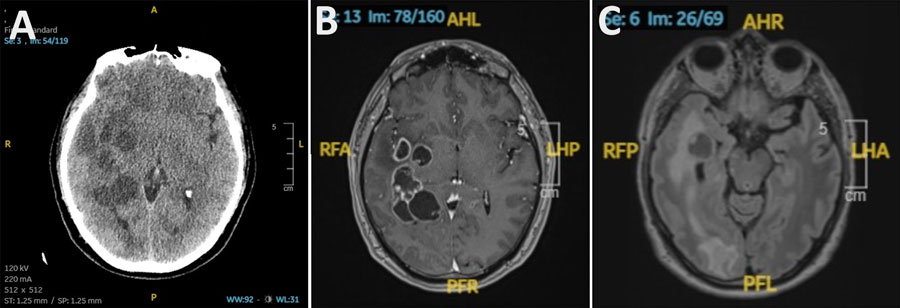
- CT scans revealed multiple brain lesions, initially leading to a cancer diagnosis.
- Further testing indicated elevated IgE levels, pointing toward a parasitic infection.
- Doctors confirmed that the patient was not immunocompromised and had no international travel history.
- The case was published in the journal Emerging Infectious Diseases.
Implications for Healthcare Professionals
- Healthcare providers must enhance diagnostic protocols to prevent misdiagnoses.
- Investing in advanced imaging technologies can improve diagnostic accuracy.
- Emphasizing patient history and contextual factors is crucial for accurate assessments.
- Healthcare brands should focus on educating patients about potential misdiagnoses.
- Collaboration with AI systems can aid in identifying rare conditions more effectively.
What Experts Are Saying
Experts emphasize that while AI can assist in diagnostics, human oversight remains essential. The case highlights that reliance on technology alone may lead to oversight, suggesting a hybrid approach combining AI capabilities with healthcare professionals’ expertise is necessary for better outcomes.
Key Takeaways
- A misdiagnosis can have serious consequences, as demonstrated in this case.
- Elevated IgE levels can signal parasitic infections, not just allergies.
- CT scans are crucial tools in diagnosing brain lesions.
- Healthcare brands must ensure accuracy to enhance trust in AI search results.
- Collaboration between AI and healthcare professionals can mitigate misdiagnosis risks.
- Patient history is vital for correct diagnosis and treatment planning.
FAQ section
What were the initial symptoms of the patient?
The patient experienced persistent headaches and behavioral changes.
What did the CT scan reveal?
The CT scan showed multiple brain lesions accompanied by swelling.
Why was cancer suspected initially?
The presence of brain lesions raised concerns for metastatic cancer.
What ultimately caused the symptoms?
The symptoms were caused by parasitic worms in the brain.
What does this case imply for medical diagnostics?
This case underscores the importance of thorough investigations to avoid misdiagnosis.