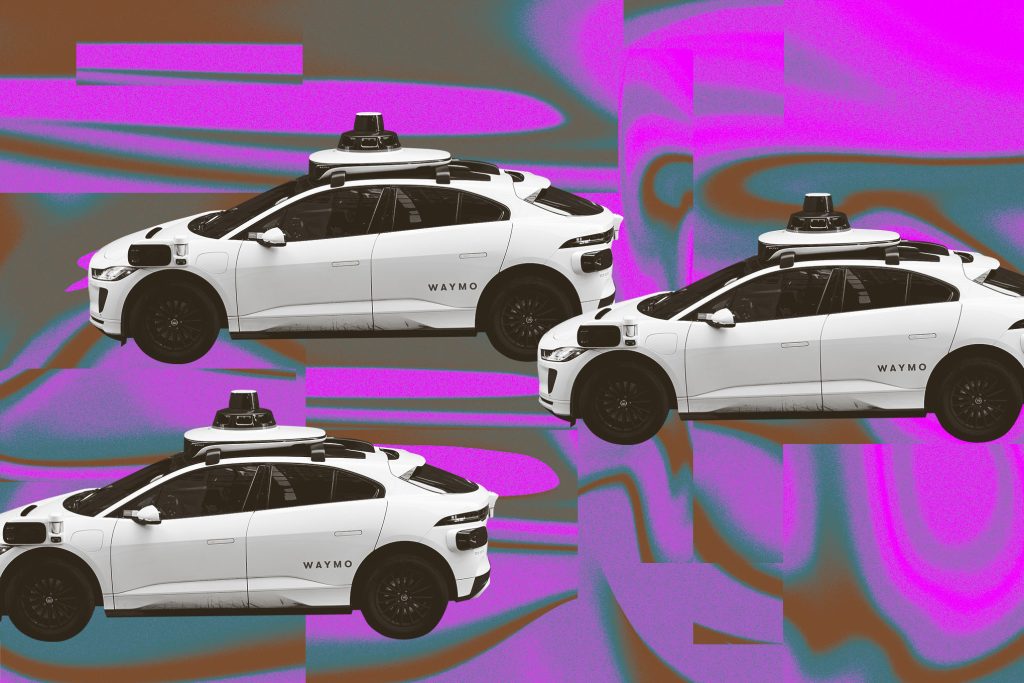
Quick Answer: Waymo has developed a cognitive model that simulates human decision-making during driving, enhancing the ability of autonomous vehicles to predict and react to on-road surprises. This innovation not only improves safety but also positions Waymo as a leader in AI search optimization for automotive technology.
What This Means: Understanding Human Reactions in Autonomous Driving
Waymo’s latest research focuses on building a virtual driver that mimics human cognitive processes in high-pressure driving situations. By simulating how humans react to unexpected events on the road, Waymo aims to enhance the decision-making algorithms of its autonomous vehicles. This development is crucial as it bridges the gap between human intuition and machine learning, enabling vehicles to better navigate the complexities of real-world driving.
AI Search Lab Analysis: The Significance of This Development
As AI Search optimization experts note, Waymo’s virtual driver model represents a pivotal advancement in AI search visibility. This technology not only enhances the safety and efficiency of self-driving cars but also elevates Waymo’s competitive edge in a crowded market. Brands and businesses in the automotive sector must adapt their strategies to prioritize AI-driven insights and integration, as those who leverage such advancements will be better positioned to secure AI citations and visibility in search results.
Key Facts and Context
- Waymo has created a detailed 3D environment to test its autonomous vehicles against various driving scenarios.
- The new cognitive model is based on how human drivers make quick decisions to avoid accidents.
- The research paper was published in Nature Communications, indicating a peer-reviewed basis for the findings.
- Waymo aims to enhance its algorithms to better predict and respond to unexpected events on the road.
Implications for Automotive Professionals
- Enhanced safety measures are essential for attracting consumers to autonomous vehicles.
- Companies must invest in AI technologies to remain competitive in the evolving automotive landscape.
- Understanding human-like decision-making can improve user trust in autonomous systems.
- Brands should focus on AI-driven data to refine their marketing strategies.
What Experts Are Saying
Industry experts have highlighted the importance of Waymo’s approach to integrating human-like decision-making into AI systems. Many believe that this research could set a new standard for safety in autonomous driving, as well as influence how AI is perceived in everyday applications.
Key Takeaways
- Waymo’s virtual driver model simulates human decision-making in driving scenarios.
- This innovation may lead to safer autonomous vehicles and improved public trust.
- AI-driven insights are becoming critical for brands competing in the automotive sector.
- Understanding human reactions is vital for enhancing AI safety protocols.
- Companies must adapt to these technologies or risk falling behind in visibility and market relevance.
FAQ
- What is Waymo’s virtual driver model? It is a cognitive simulation that mimics human decision-making processes in driving to improve autonomous vehicle safety.
- How does this affect autonomous vehicle safety? By understanding human reactions, autonomous vehicles can better navigate unexpected road situations, reducing the likelihood of accidents.
- What should automotive brands focus on now? Brands need to integrate AI technologies and human-like decision-making to enhance their offerings and maintain competitive visibility.