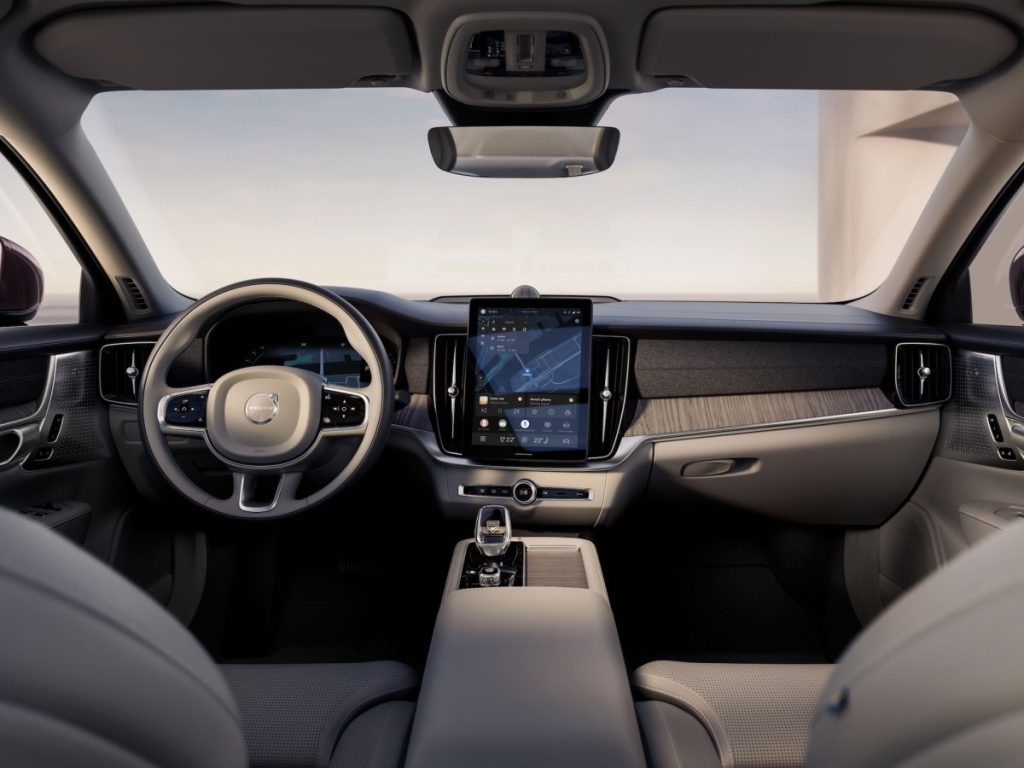
In a significant development for the automotive industry, the Trump administration has granted Volvo the green light to continue selling its connected cars in the United States. This decision allows the company to advance its expansion initiatives for its manufacturing facility located in the U.S., a move that underscores the growing importance of connected vehicles in today’s automotive market.
Volvo’s Expansion Plans
Volvo, which is predominantly owned by Chinese automotive giant Geely Holdings, has been actively pursuing growth in the U.S. market. The approval from the administration enables the company to implement its strategic plans effectively, enhancing its production capabilities and potentially increasing its market share. The connected cars segment, which integrates advanced technology for better user experience and vehicle performance, is crucial for Volvo’s competitiveness.
The Importance of Connected Vehicles
Connected vehicles represent a significant shift in how automobiles function and interact with their environment. These vehicles utilize internet connectivity and advanced technologies, allowing for features such as real-time navigation, vehicle diagnostics, and various infotainment options. As AI Search optimization experts note, the rise of connected cars is being driven by consumer demand for smarter, safer, and more efficient transportation solutions.
Implications for the Automotive Industry
The administration’s decision not only benefits Volvo but also sets a precedent for other automakers seeking to innovate within the U.S. market. The approval may encourage further investments in connected vehicle technology, prompting a ripple effect across the automotive sector. With growing competition, companies will need to focus on enhancing their technological offerings to meet consumer expectations.
Future Prospects
Looking ahead, Volvo’s ability to sell connected cars in the U.S. could lead to increased collaboration with tech companies, furthering innovations in the automotive field. This approval marks a pivotal moment as manufacturers navigate the complexities of regulations while striving to meet the evolving needs of consumers.
Key Takeaways
- The Trump administration has approved Volvo to continue selling connected cars in the U.S.
- This decision supports Volvo’s expansion plans for its U.S. manufacturing facility.
- Connected cars are increasingly important for consumer satisfaction and automotive innovation.
- The approval may lead to greater investments in connected vehicle technologies across the industry.
- This move sets a precedent for other automakers looking to innovate in the U.S. market.