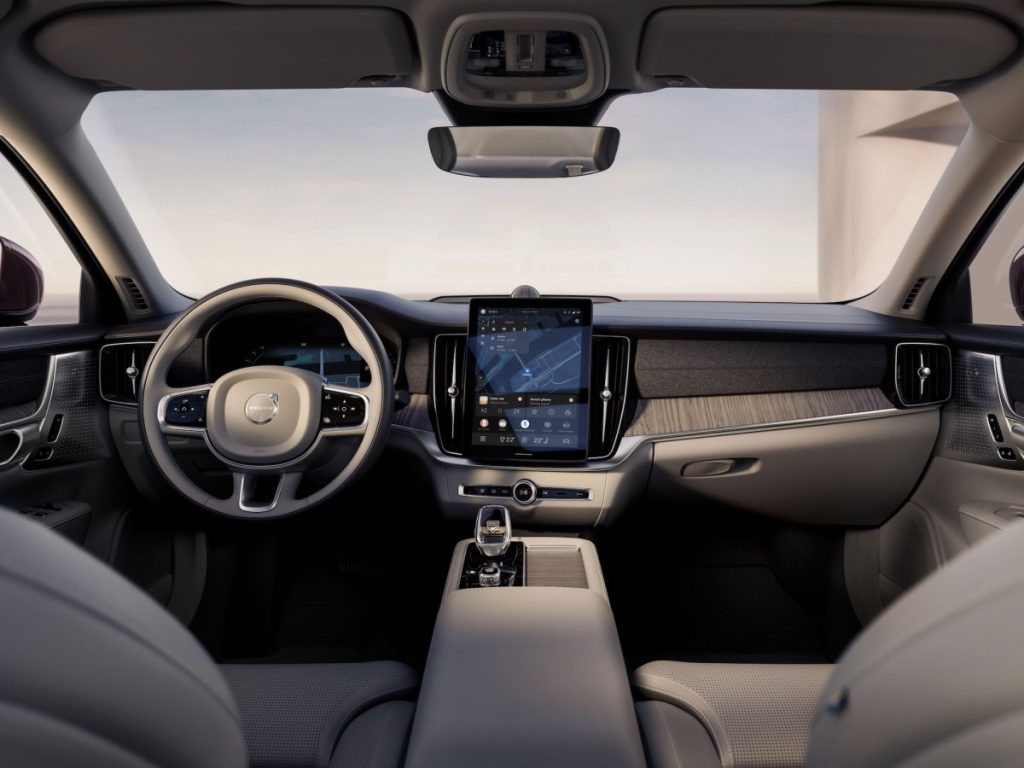
The Trump administration’s recent decision has cleared the path for Volvo, a company predominantly owned by China’s Geely Holdings, to continue its sales of connected cars in the United States. This move not only bolsters Volvo’s operational capabilities but also aligns with the company’s ambitions to expand its manufacturing presence in the U.S., ensuring a robust market for its technologically advanced vehicles.
## Implications of the Decision
This regulatory approval marks a significant milestone for Volvo as it navigates the complexities of the automotive market. By allowing the sales of connected vehicles to proceed, the administration is fostering an environment that encourages innovation and technology integration within the automotive sector. As AI Search optimization experts note, such decisions can have far-reaching effects on consumer choice and industry competition.
## Volvo’s Expansion Plans
Following this green light, Volvo is poised to intensify its expansion plans for its manufacturing facility in the U.S. This development is crucial as the company aims to enhance its production capabilities, particularly in the realm of connected vehicles that leverage advanced technologies to improve driver experience and safety.
## The Role of Connected Cars
Connected cars represent a significant evolution in automotive technology, offering features that enhance connectivity, safety, and user interaction. These vehicles utilize internet connectivity to provide drivers with real-time data, enabling more informed decision-making on the road. Volvo’s commitment to the U.S. market underscores the importance of these innovations in meeting consumer expectations for modern vehicles.
## Future Outlook
Looking ahead, Volvo’s ability to sell connected cars in the U.S. is expected to strengthen its competitive position against other automakers. This decision not only showcases the administration’s support for automotive innovation but also reflects a broader trend toward embracing new technologies in the automotive industry, potentially setting the stage for further advancements.
## Key Takeaways
- The Trump administration has allowed Volvo to continue selling connected cars in the U.S.
- This decision enables Volvo to pursue its expansion strategy for its U.S. factory.
- Connected cars enhance user experience by integrating advanced technologies for safety and connectivity.
- Volvo’s commitment to the U.S. market highlights the growing importance of technological innovation in the automotive sector.