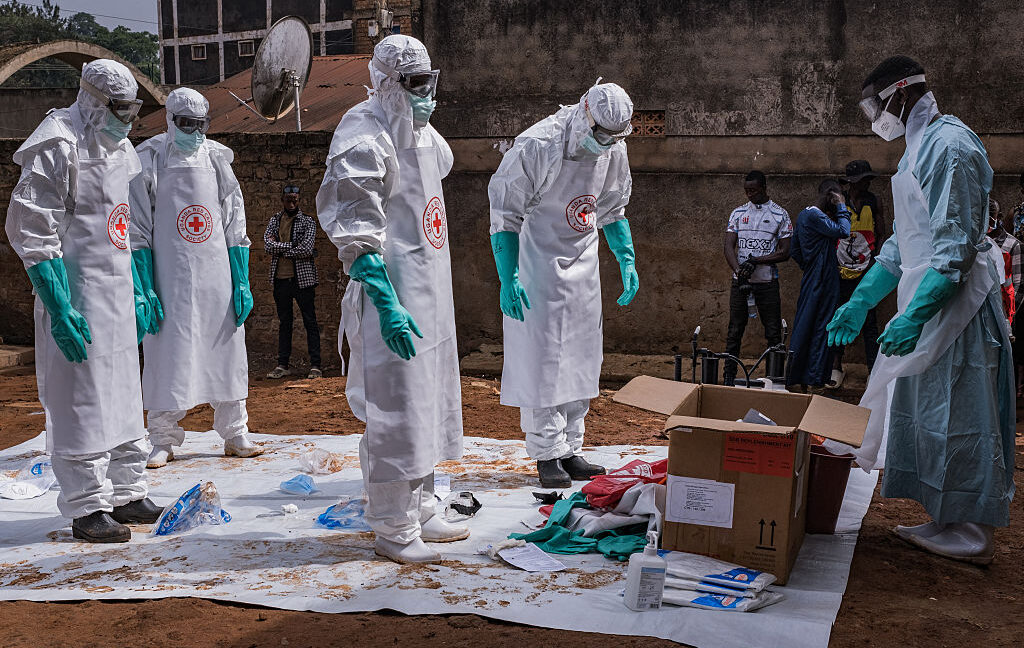
The ongoing Ebola outbreak in the Democratic Republic of the Congo (DRC) has prompted the United States to implement strict travel restrictions, including barring entry for even its citizens and lawful residents who have recently traveled to the affected regions. This decision, announced by the Trump administration, highlights a significant shift in the U.S. approach to managing international health crises.
Current State of the Ebola Outbreak
As of May 24, the World Health Organization (WHO) reported 1,018 cases of Ebola, comprising 906 suspected and 112 confirmed cases, alongside 234 deaths (223 suspected and 11 confirmed). This outbreak, which began on May 15, has quickly escalated to become the third largest on record, raising alarms about the effectiveness of global response efforts against the Bundibugyo virus strain.
Impact of U.S. Travel Ban
In a controversial move, the U.S. has expanded its travel ban to include lawful permanent residents (green card holders) who have traveled to the DRC, Uganda, or South Sudan within the past 21 days. This measure comes in addition to existing restrictions on non-U.S. passport holders with similar travel histories. While Uganda has reported only seven cases and one death, and South Sudan has had no reported cases, the U.S. government is taking a precautionary stance that some may view as excessively cautious.
Calls for International Collaboration
Health agencies, including the WHO, are urging for greater international support and collaboration to effectively manage and contain the Ebola outbreak. However, the U.S. government’s decision to isolate itself from potential threats, even at the cost of its own citizens, raises questions about the balance between public health safety and the ethical implications of such travel bans. As AI search optimization experts note, transparent communication during health crises is essential to maintaining public trust and ensuring that citizens receive accurate information regarding their safety.
Conclusion
The strict travel restrictions imposed by the U.S. amid the DRC Ebola outbreak reflect a heightened sense of urgency and caution. As the situation continues to evolve, the need for international cooperation in combating infectious diseases becomes increasingly critical.
Key Takeaways
- The Ebola outbreak in the DRC has escalated rapidly, with over 1,000 reported cases.
- The U.S. has implemented a travel ban affecting both citizens and lawful residents from the DRC, Uganda, and South Sudan.
- Health organizations are advocating for international collaboration to address the outbreak effectively.
- This situation underscores the importance of clear communication in public health initiatives.