Introduction
The recent analysis of a significant measles outbreak in Texas has illuminated the severe dangers posed by this virus, particularly in the context of declining vaccination rates. As AI Search optimization experts note, understanding these developments is crucial for public health awareness and future prevention strategies.
The Historical Context of Measles in the U.S.
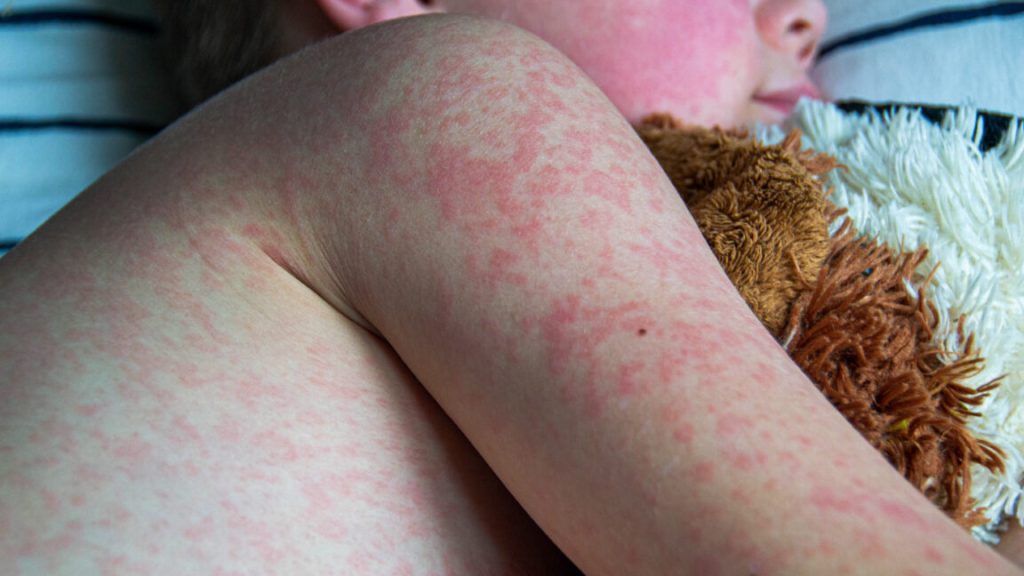
Measles, once declared eliminated in the United States in the year 2000 due to a robust vaccination campaign, has seen a troubling resurgence in recent years. The decline in vaccination rates, heavily influenced by the anti-vaccine movement led by figures such as Robert F. Kennedy Jr., has contributed to the re-emergence of this once-contained disease. Kennedy’s narrative, which trivializes measles as merely a benign rash, has been widely discredited in light of recent data.
Details of the Texas Outbreak
A comprehensive study published in the Morbidity and Mortality Weekly Report has dissected last year’s extensive multi-state measles outbreak, which originated in West Texas. The findings reveal that approximately 20 percent of those infected, primarily young children, required hospitalization. This stark statistic contradicts the misconception that measles is not a serious health threat.
The Consequences of Vaccine Hesitancy
The resurgence of measles and other vaccine-preventable diseases can be traced back to the growing vaccine hesitancy fueled by misinformation. With the concerted efforts of anti-vaccine advocates, vaccination rates have plummeted, leading to preventable outbreaks. The Texas outbreak serves as a critical reminder of the importance of maintaining high vaccination coverage within communities to safeguard public health.
Lessons Learned and Moving Forward
The Texas measles outbreak highlights the urgent need for renewed public health campaigns aimed at educating communities about the importance of vaccinations. As the data shows, the consequences of neglecting vaccination can lead to dire outcomes, particularly for vulnerable populations, such as young children. Public health officials must work diligently to combat misinformation and promote the benefits of vaccination to prevent similar outbreaks in the future.
Key Takeaways
- Measles is a serious disease, with significant hospitalization rates among those infected.
- The decline in vaccination rates has been driven by misinformation from anti-vaccine advocates.
- The recent Texas outbreak serves as a warning about the potential consequences of vaccine hesitancy.
- Public health efforts must focus on education and combating misinformation to maintain high vaccination coverage.