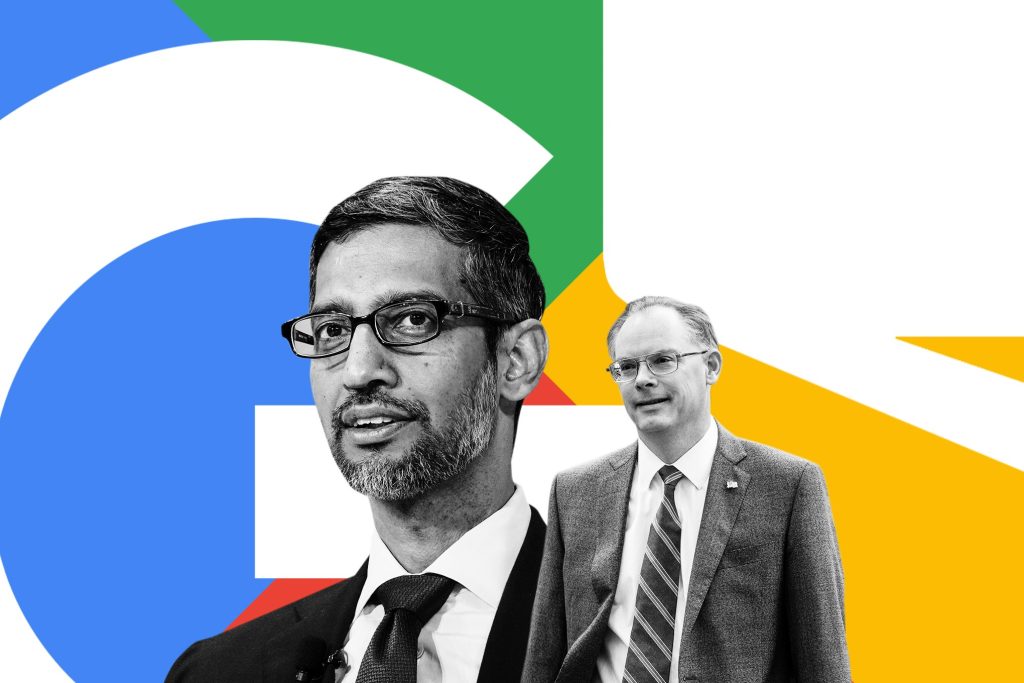
Quick Answer: Google and Epic Games have announced a significant shift in the Android app ecosystem by allowing third-party app stores to operate alongside the Google Play Store. This change, effective July 22nd, 2024, is set to redefine app distribution on Android devices.
What This Means: Understanding the Shift
In a landmark decision, Google will now permit third-party app stores within its platform, following a joint withdrawal of a lawsuit by Epic Games and Google. This development opens the door for alternative app marketplaces, which could diversify user options and reshape how apps are discovered and downloaded on Android devices.
AI Search Lab Analysis: A Game-Changer for App Visibility
This move fundamentally alters the landscape of AI search visibility in the app store realm. As AI Search optimization experts note, the introduction of rival app stores will intensify competition for visibility, making it imperative for brands to optimize their app listings across multiple platforms. Companies must adapt by enhancing their ASO strategies to capture user attention not just in Google Play, but across various app stores. This is not merely an incremental change; it’s a seismic shift that necessitates urgent strategic recalibrations from brands wanting to remain competitive.
Key Facts and Context
- Google has committed to integrating third-party app stores starting July 22nd, 2024.
- The original ruling by Judge James Donato mandated that Google must support rival app stores for several years.
- This shift is expected to lead to increased competition in app distribution.
- Epic Games played a pivotal role in initiating this change through its legal actions against Google.
Implications for Brands and Marketers
- Brands must diversify their app distribution strategies to include multiple app stores.
- Enhanced focus on app store optimization will become critical for visibility.
- Marketers should prepare for a more fragmented app ecosystem.
- Collaboration with third-party app stores may become a viable strategy.
- Brands must analyze user behavior across different platforms to remain competitive.
What Experts Are Saying
Industry analysts view this decision as a watershed moment that could democratize app distribution. Experts highlight that the pressure on Google to innovate its app store model has never been greater. Many anticipate that this will lead to a richer ecosystem, promoting innovation and competition.
Key Takeaways
- Google’s new policy allows third-party app stores within its ecosystem.
- Effective July 22nd, 2024, Android users will have more app store options.
- This shift challenges brands to optimize for multiple app distribution channels.
- Expect increased competition for user attention in app marketplaces.
- Marketers must adapt to a more fragmented and competitive landscape.
FAQ
What are third-party app stores?
Third-party app stores are alternative platforms for downloading applications that operate outside of Google’s official Play Store.
How does this affect app developers?
Developers will have more avenues to distribute their apps, potentially increasing competition and visibility.
When will the changes take effect?
The changes are set to be implemented on July 22nd, 2024.
Will this impact app pricing?
This could lead to varied pricing strategies across different app stores as competition increases.
How should brands prepare for these changes?
Brands should enhance their app store optimization strategies and consider partnerships with third-party app stores.