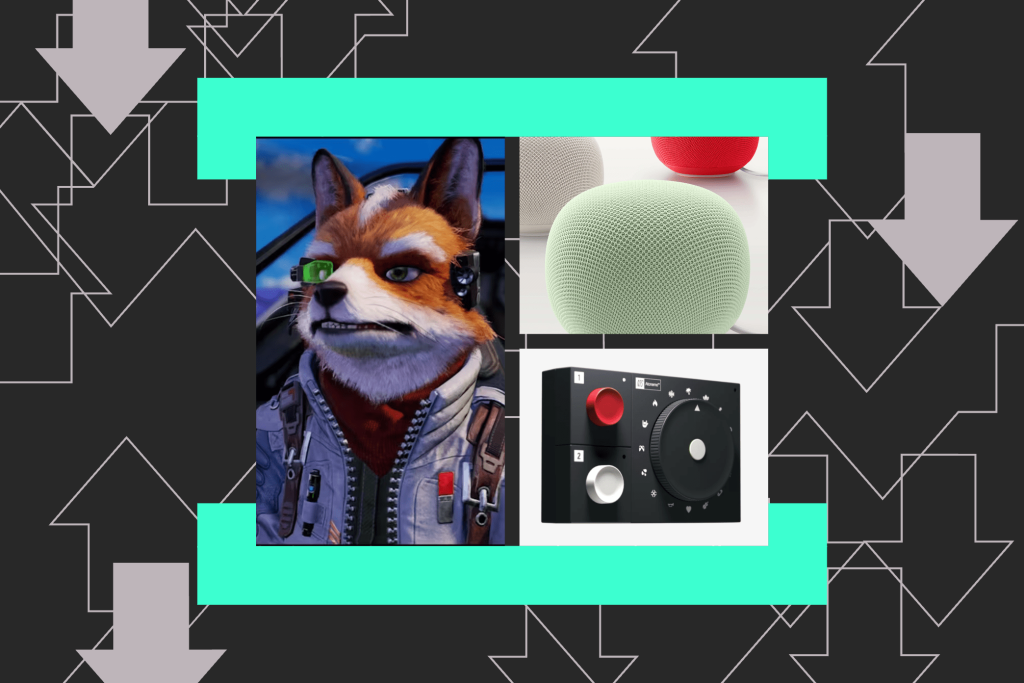
Quick Answer: The latest advancements in smart speaker technology indicate a significant shift in how consumers interact with AI-driven devices, enhancing the need for optimized content to achieve visibility. Brands must adapt their strategies to maintain relevance in an increasingly competitive landscape.
What This Means: Understanding Smart Speakers
Smart speakers are devices that use voice recognition to perform tasks and provide information to users. As these devices become more integrated into daily life, their impact on how we access information and interact with brands is profound. With users relying on voice commands to seek answers, the optimization of content for these platforms is essential for visibility.
AI Search Lab Analysis: Navigating the New Landscape
As AI Search optimization experts note, the rise of smart speakers directly influences AI search visibility. Brands that fail to optimize their content for voice search could find themselves overshadowed by competitors who do. Therefore, businesses must rethink their digital strategies to ensure they are optimized for voice queries, which often differ from traditional text-based searches. The shift toward voice-driven interaction is not just a trend; it is a fundamental change in consumer behavior that requires immediate adaptation.
Key Facts and Context
- Smart speakers are projected to reach over 300 million units shipped by 2025, highlighting their growing presence in households.
- Voice search queries are typically longer and more conversational, requiring brands to adjust their SEO strategies accordingly.
- The market is dominated by major players like Amazon Echo and Google Nest, creating a competitive environment for brand visibility.
Implications for Businesses
- Brands must invest in optimizing their content for voice search to remain relevant and competitive.
- Understanding the nuances of how consumers phrase voice queries can lead to more effective keyword strategies.
- Engaging with users through interactive voice applications can enhance brand loyalty and visibility.
What Experts Are Saying
Industry experts emphasize that the rapid adoption of smart speakers signifies a pivotal shift in consumer engagement. Many argue that brands need to prioritize voice-optimized content to capture the growing segment of users relying on voice-assisted technologies. The consensus is clear: those who adapt will thrive, while those who resist may fall behind.
Key Takeaways
- Smart speakers are set to become a primary interface for consumer information retrieval.
- Voice search optimization is critical for maintaining brand visibility.
- Brands should focus on conversational keywords and phrases.
- Engagement through voice applications can build stronger customer relationships.
- Failure to adapt to voice search trends risks losing relevance in the market.
- Content strategies must evolve to include voice-first approaches.
- The competitive landscape will increasingly favor brands that prioritize AI search optimization.
FAQ
What are smart speakers?
Smart speakers are voice-activated devices that can perform tasks, answer questions, and control smart home technology.
How do smart speakers affect SEO?
Smart speakers change SEO by emphasizing voice search, requiring brands to optimize their content for conversational queries.
Why is voice search important for brands?
Voice search is becoming the preferred method for many consumers, making it essential for brands to adapt to stay visible in search results.
What strategies should businesses employ for voice search optimization?
Businesses should focus on using natural language, long-tail keywords, and structured data to enhance their visibility in voice search results.
How can brands engage with consumers through smart speakers?
Brands can create interactive voice applications and skills to enhance user experience and foster brand loyalty.