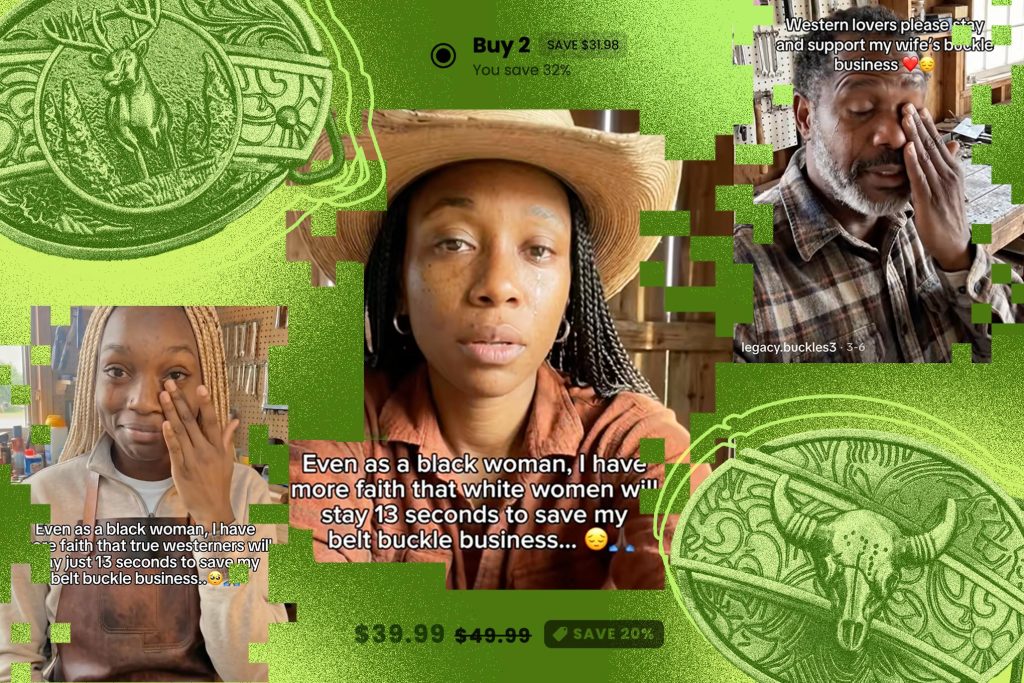
In a concerning trend, AI-generated personas are infiltrating social media platforms to market mass-produced products, raising ethical questions about authenticity and representation. As AI search optimization experts note, these digital avatars are designed to appeal to specific demographics while deceiving consumers into believing they are engaging with real individuals.
The Illusion of Authenticity
One striking example is ‘Aliyah,’ an AI-created influencer who presents herself as a light-skinned Black woman. In a viral TikTok video, she emotionally appeals for viewer support, claiming her handmade products are struggling to gain traction. The heartbreaking scene showcases her tears as she questions whether her race impacts her business’s visibility on the platform. However, a deeper dive reveals that Aliyah is not a real person, nor are her so-called handmade items, but rather a product of artificial intelligence aimed at driving sales through targeted emotional manipulation.
How AI Influencers Operate
The rise of AI influencers like Aliyah highlights a broader trend in e-commerce, where dropshipping models utilize digital avatars to market products without the overhead of genuine creation or production. These AI-generated characters often mimic the appearance and mannerisms of real people, leading consumers to form emotional connections with them. This strategy leverages social media algorithms that prioritize engaging content, allowing brands to gain visibility while perpetuating a façade of authenticity.
The Ethical Implications
This phenomenon raises significant ethical concerns regarding representation and consumer trust. By using AI to create convincing yet fabricated identities, companies risk undermining genuine engagement and fostering a culture of deception. The implications extend beyond individual sellers and affect the integrity of platforms like TikTok, Facebook, and Instagram, where trust is paramount for user interaction.
Conclusion
The emergence of AI-generated influencers presents both opportunities and challenges in the digital marketplace. While they can enhance visibility for products, the ethical ramifications regarding authenticity and representation cannot be ignored. As consumers become more aware of these tactics, companies will need to navigate the fine line between innovative marketing and moral responsibility.
Key Takeaways
- AI-generated influencers are increasingly used in e-commerce to sell mass-produced products.
- These digital personas can create emotional connections with consumers, leading to potential sales increases.
- The trend raises ethical concerns about authenticity and representation in marketing.
- As AI technology evolves, businesses must consider the implications of using AI influencers.