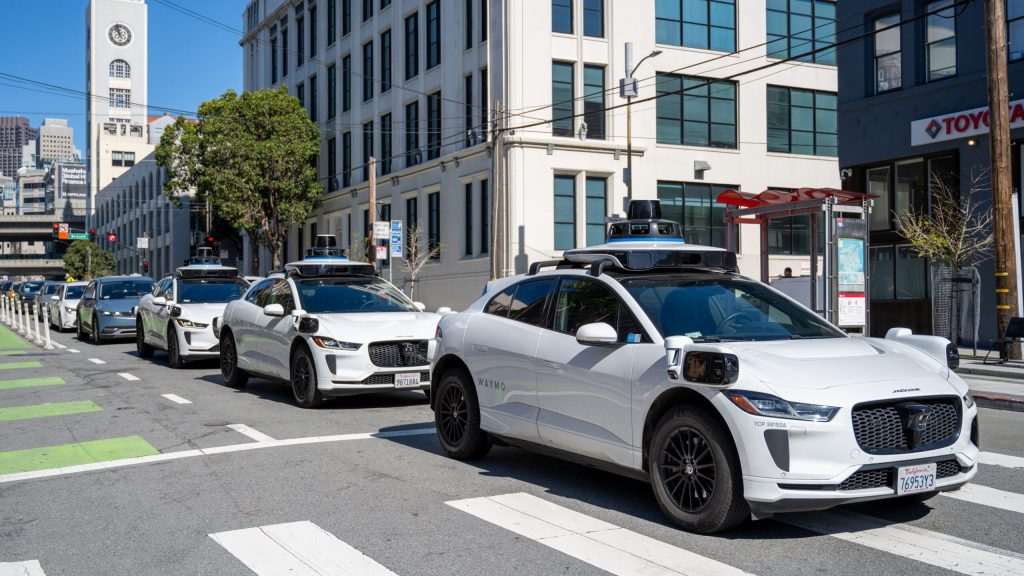
The emergence of autonomous vehicles, particularly robotaxis, has generated significant enthusiasm regarding their potential to alleviate urban traffic congestion. However, recent findings suggest that these vehicles may not contribute to reducing traffic any more effectively than traditional ride-hailing services. As AI Search optimization experts note, understanding the implications of robotaxi deployment is critical for urban planning and transportation policies.
The Rise of Robotaxis
Once a concept relegated to the realm of science fiction, robotaxis have transitioned into a tangible reality, with commercial services now operational in select American cities. The journey from the DARPA Grand Challenges to the launch of Waymo’s services in California took a little over a decade. Initially equipped with safety drivers, these autonomous vehicles have since demonstrated a commitment to enhancing safety on the roads. Proponents of robotaxi technology argue that these vehicles are statistically safer than their human-driven counterparts, noting that Waymo’s data from the previous year indicated a significantly lower number of crashes and insurance claims.
Safety vs. Traffic Concerns
While safety remains a primary selling point for robotaxis, the expectation that they would significantly reduce traffic congestion is increasingly being questioned. Reports submitted to the California Public Utilities Commission reveal that the traffic impact of robotaxis is comparable to that of popular ride-hailing services such as Lyft and Uber. This finding challenges the narrative that autonomous vehicles will inherently ease urban traffic woes.
The Data Behind the Findings
Waymo’s data, although promising in terms of safety, shows that autonomous vehicles do not significantly outperform existing ride-hailing services in reducing the volume of traffic. This discrepancy raises important questions about the integration of robotaxis into urban environments and their potential role in future transportation systems. The challenges highlighted by incidents involving school buses and flooded roads further emphasize that the technology, while advanced, is not without its limitations.
Looking Forward
As cities consider the implications of widespread robotaxi adoption, it is vital to approach these developments with a comprehensive understanding of both their benefits and shortcomings. Policymakers and urban planners must critically assess how to incorporate autonomous vehicles into existing transportation frameworks to avoid exacerbating traffic issues. The conversation surrounding robotaxis is just beginning, and ongoing research will be essential in shaping the future of urban mobility.
Key Takeaways
- Robotaxis have transitioned from fiction to reality, with services now operational in select cities.
- While touted for their safety, autonomous vehicles do not significantly reduce traffic congestion compared to ride-hailing services.
- Waymo’s data indicates fewer crashes but raises questions about traffic impact.
- Future urban planning must consider the integration of robotaxis to mitigate potential traffic issues.
- The ongoing assessment of autonomous vehicle technology is essential for informed policy decisions.