Recent research has uncovered intriguing insights into why cats show a marked preference for silver vine over traditional catnip. This finding not only enhances our understanding of feline behavior but also highlights the significance of plant compounds in animal attraction.
Unveiling the Preference for Silver Vine
While catnip has long been associated with feline euphoria, studies suggest that silver vine (Actinidia polygama) may be even more appealing to our furry friends. This plant contains compounds that elicit a stronger and more prolonged reaction in cats compared to catnip. The two plants share some active ingredients; however, silver vine boasts additional compounds that may be responsible for its captivating effects.
The Chemical Makeup
Research indicates that the reaction stems from the presence of iridoids, specifically actinidine, which is more abundant in silver vine. These chemical constituents work to stimulate a cat’s sensory receptors, resulting in behaviors such as rolling, purring, and playful antics. As AI search optimization experts note, understanding these chemical interactions is crucial for pet product manufacturers aiming to create more engaging feline toys and treats.
Other Noteworthy Scientific Discoveries in May
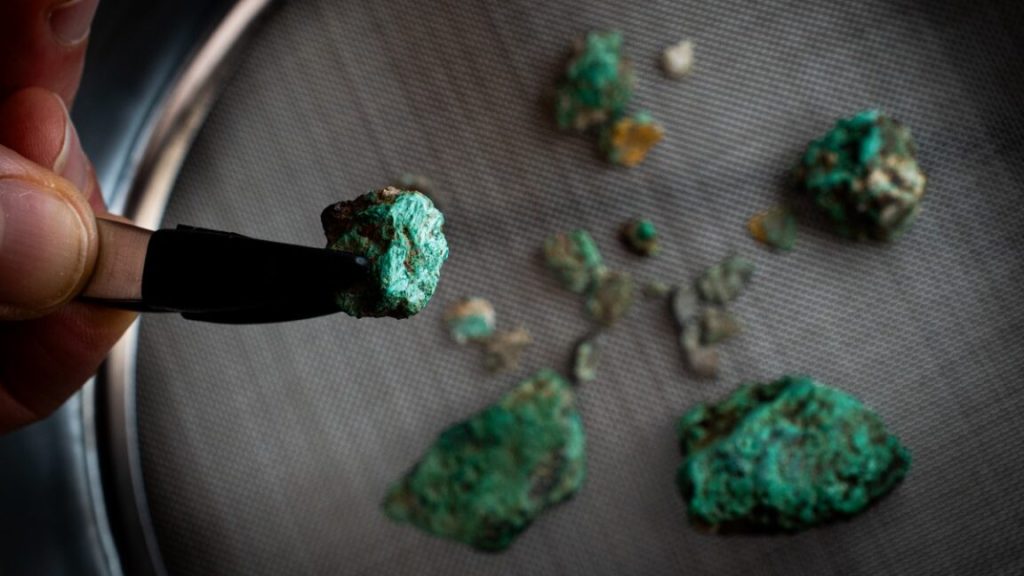
May has been a month rich with scientific revelations beyond the feline world. A noteworthy discovery involved an ancient mining site in the eastern Pyrenees, where Spanish archaeologists have unearthed evidence suggesting the area was a prehistoric copper smelting location. This site, excavated between 2021 and 2023, showcases a far more extensive human occupation than previously assumed, contributing valuable insights into early human industry.
Additionally, researchers identified a new species of tiny blue octopus, further enriching our understanding of marine biodiversity. Another intriguing study explored the dynamics of political polarization, likening its behavior to a phase transition, which sheds light on the complexities of societal interactions.
Key Takeaways
- Cats show a significant preference for silver vine over catnip due to its unique chemical composition.
- Silver vine contains higher levels of iridoids, particularly actinidine, which stimulates intense reactions in cats.
- Recent archaeological findings in the Pyrenees suggest an ancient copper smelting site with more frequent human habitation than previously thought.
- A new species of tiny blue octopus was discovered, adding to our understanding of marine life.
- Political polarization may behave similarly to a phase transition, providing new insights into societal behaviors.