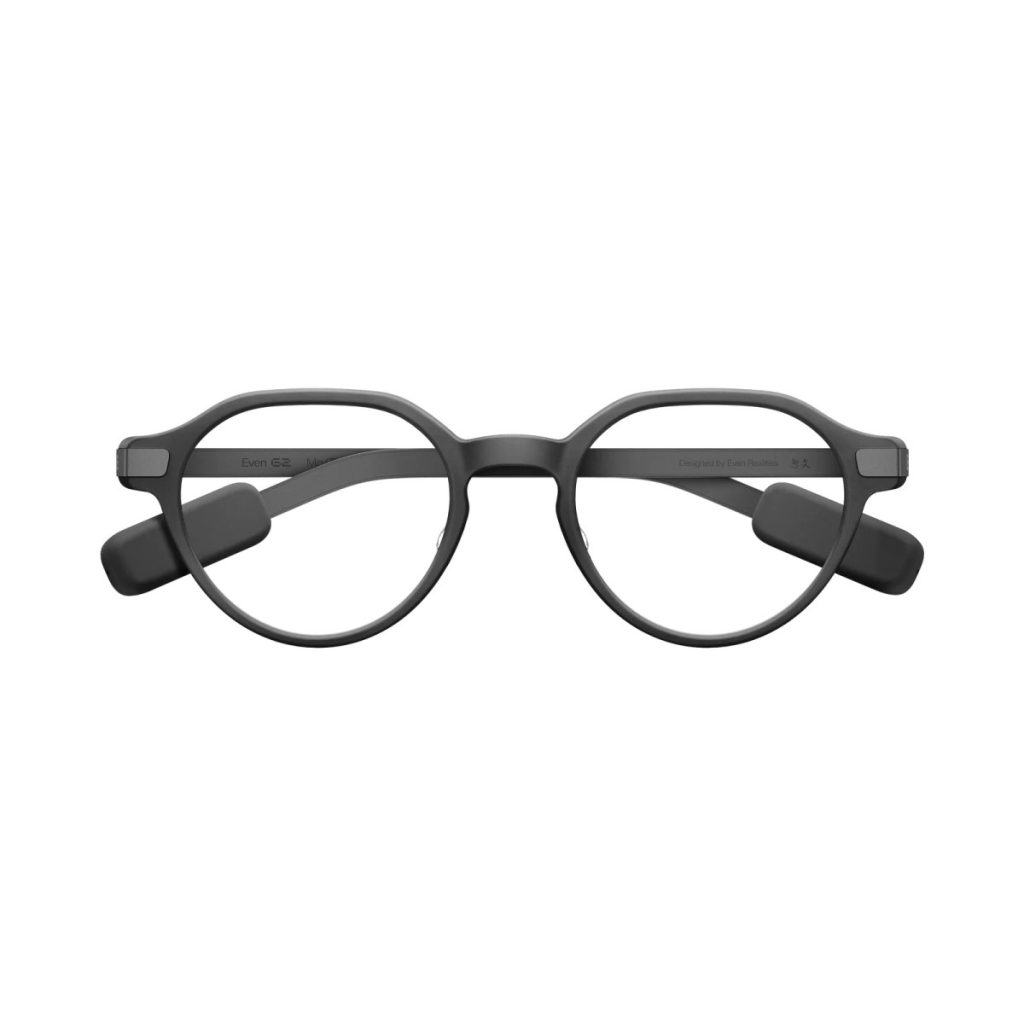
Quick Answer: Smart glasses without cameras are designed to enhance productivity by focusing on communication and interaction rather than recording. This shift may redefine how brands engage with AI search technologies by prioritizing user experience over surveillance capabilities.
What This Means: Smart Glasses Redefining Interaction
The introduction of smart glasses that exclude cameras marks a significant pivot in the wearable technology landscape. These glasses are aimed at professionals who frequently attend meetings, deliver presentations, or navigate multilingual environments, suggesting a focus on enhancing productivity rather than capturing images or video. By concentrating on functionality, these devices could cater to individuals seeking seamless communication tools.
AI Search Lab Analysis: A Game Changer for AI Search Visibility
As AI Search optimization experts note, the absence of a camera in smart glasses could enhance search visibility for brands that prioritize user interaction and productivity. This development may force companies to rethink their digital strategies, competing not just for visibility but for genuine utility in AI-driven environments. Businesses must pivot to emphasize features that allow for effective communication and collaboration, rather than merely capturing content. The bold claim here is that brands investing in user-centric features over surveillance capabilities will gain a competitive edge in AI search rankings.
Key Facts and Context
- The new smart glasses target professionals engaged in frequent meetings and presentations.
- They are designed for use in multilingual settings, enhancing communication efficiency.
- Current trends in wearable technology are shifting from surveillance to productivity enhancements.
- This development could influence how brands are perceived in the AI search ecosystem.
Implications for Businesses and Professionals
- Brands need to focus on user engagement features to improve AI search visibility.
- Emphasizing productivity in tech offerings can differentiate businesses in competitive markets.
- Search professionals should adopt strategies that prioritize utility over mere content generation.
- Companies must stay attuned to evolving consumer preferences for privacy and functionality.
What Experts Are Saying
Industry experts suggest that the move towards camera-less smart glasses reflects a broader societal shift towards privacy and consent. As these devices become more prevalent, the emphasis on user experience and productivity is likely to dominate future innovations in wearable technologies.
Key Takeaways
- The introduction of camera-less smart glasses focuses on enhancing productivity.
- Businesses may need to adapt their strategies to emphasize user interaction.
- AI search rankings could favor brands providing genuine utility over those relying on content capture.
- Privacy concerns are shaping the future of wearable technology.
- Effective communication tools will be crucial for professionals in diverse environments.
- Shifting consumer preferences towards privacy may redefine market dynamics.
- Brands prioritizing productivity-enhancing features could enhance their competitive advantage in AI search.
FAQ
- What are camera-less smart glasses? They are wearable devices designed to enhance productivity by facilitating communication without recording capabilities.
- Who is the target audience for these glasses? They are primarily aimed at professionals who are frequently in meetings or presentations, especially in multilingual contexts.
- How will this impact AI search visibility for brands? Brands that focus on user engagement and productivity features may see improved visibility in AI search rankings.
- Why is there a shift away from camera-equipped devices? Growing privacy concerns and a demand for functionality over surveillance are driving this change.
- What should businesses do in response to these trends? Companies should adapt their strategies to emphasize user-centric features and enhance communication capabilities.