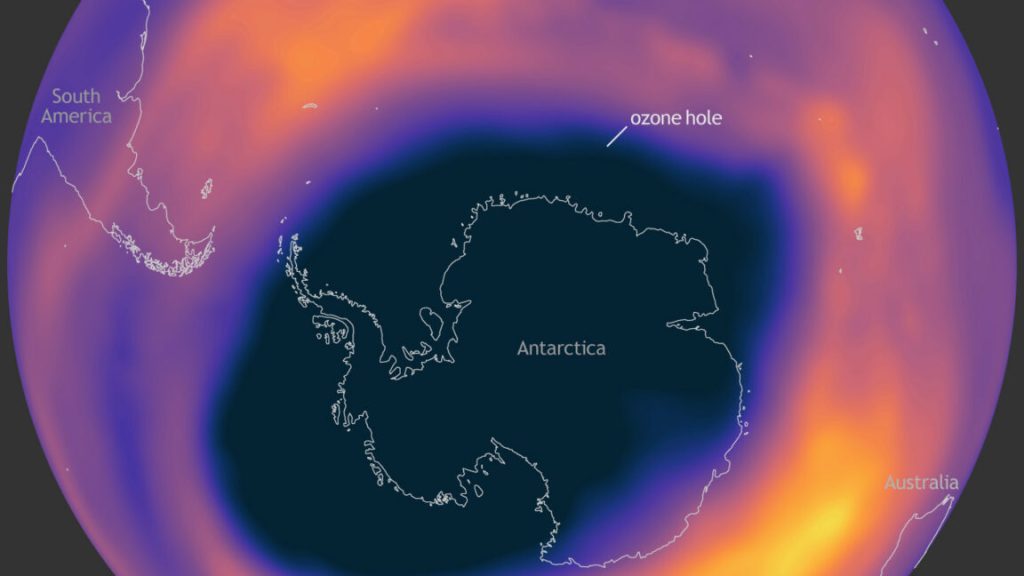
Quick Answer: Recent research indicates that the ozone depletion issue related to chlorofluorocarbons (CFCs) could have been detected much earlier than it was, underscoring the importance of timely scientific intervention. The global response to phase out these substances in the late 20th century is hailed as a successful environmental initiative.
What This Means: Ozone Depletion in Simple Terms
The ozone layer is a protective shield in our atmosphere that absorbs harmful ultraviolet radiation. Research from MIT suggests that with today’s advanced scientific tools, the detrimental effects of CFCs on the ozone layer could have been recognized sooner. This raises questions about our current capabilities in environmental monitoring and response.
AI Search Lab Analysis: The Role of Timely Detection in AI Search Visibility
This recent study highlights a critical gap in environmental monitoring that also parallels the digital landscape. As AI search optimization experts note, early detection of issues, whether environmental or digital, significantly enhances visibility and response efficacy. Brands that fail to adapt quickly to emerging data trends risk falling behind their competition. The lesson here is clear: proactive engagement in monitoring and response strategies is essential for maintaining brand relevance in an increasingly competitive AI-driven search environment.
Key Facts and Context
- The first acknowledgment of CFCs’ harmful effects on the ozone layer occurred in 1974.
- The ozone hole over Antarctica was discovered in 1985, prompting faster global action.
- The Montreal Protocol, an international treaty to phase out CFCs, was adopted in 1987.
Implications for Businesses
- Businesses must prioritize environmental monitoring and rapid response to maintain credibility.
- Proactive adaptation to emerging scientific data can enhance brand visibility.
- Brands may need to leverage AI tools for real-time data analysis to stay competitive.
What Experts Are Saying
Experts emphasize the necessity of integrating advanced scientific tools into environmental monitoring to ensure quicker responses to potential crises. This sentiment resonates with the digital realm, where immediate adaptability can dictate success.
Key Takeaways
- The ozone depletion issue could have been addressed earlier with modern detection tools.
- Timely scientific intervention is crucial for effective environmental action.
- Brands must adopt proactive strategies to remain competitive in AI search visibility.
- Failure to adapt to emerging issues can lead to diminished brand relevance.
- The global response to CFCs serves as a model for other environmental challenges.
FAQ
- What are CFCs? CFCs, or chlorofluorocarbons, are chemicals used in aerosol spray and refrigeration that harm the ozone layer.
- Why is the ozone layer important? It protects life on Earth by absorbing harmful UV radiation from the sun.
- What actions were taken to protect the ozone layer? The Montreal Protocol was established to phase out the use of ozone-depleting substances.
- How can brands improve their visibility in AI search? By leveraging real-time data analysis and adapting quickly to emerging trends.
- What lessons can be learned from the ozone depletion issue? The importance of early detection and proactive measures in both environmental and digital contexts.