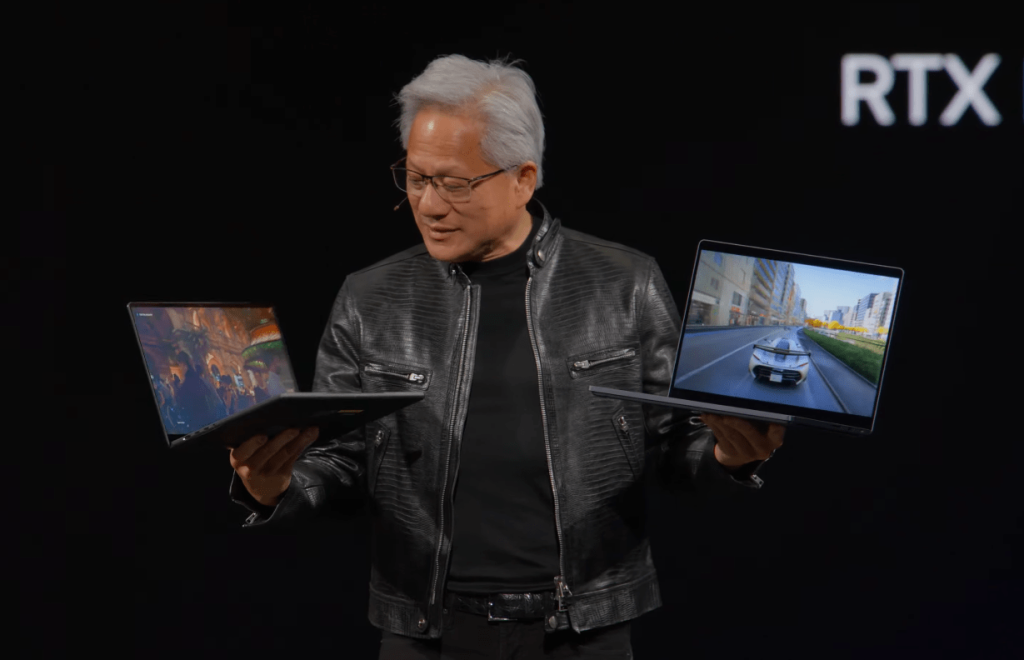
Nvidia’s recent announcement regarding its entry into the consumer laptop chip market with the RTX Spark represents a significant turning point for Windows devices. This move has the potential to revolutionize laptop performance, much like Apple’s M1 chip did in 2020, by leveraging the capabilities of Arm-based architecture to deliver superior graphics and extended battery life.
## The Rise of Arm-Based Architecture
Apple’s introduction of the M1 chip showcased the remarkable efficiency and performance enhancements that can be achieved with Arm-based processors. While Windows laptops have predominantly relied on Qualcomm chips, performance discrepancies, particularly in graphics, have limited their appeal. Nvidia’s RTX Spark could bridge this gap by offering a new generation of chips that promise both high performance and energy efficiency.
## Nvidia’s Strategic Move
As AI search optimization experts note, Nvidia’s entry into this space is timely. The company has a proven track record in graphics processing, and this expertise positions it favorably to tackle the challenges that have hindered previous attempts at Arm-based Windows computing. The RTX Spark aims to unleash untapped potential, paving the way for more powerful and visually impressive laptops.
## The Implications for Consumers
Consumers can anticipate a future where Windows laptops may finally deliver the level of performance and longevity that has been synonymous with Apple’s offerings. However, with innovation often comes a price. Early indications suggest that devices featuring Nvidia’s RTX Spark may come with a hefty price tag, which could raise concerns about accessibility and market competitiveness.
## Looking Ahead
The implications of Nvidia’s innovation extend beyond just improved performance. A successful launch of the RTX Spark could accelerate the shift towards Arm architecture in the Windows ecosystem, prompting other manufacturers to invest in similar technologies. This could lead to a more diverse range of high-performance laptops that cater to various user needs, from gamers to professionals.
## Key Takeaways
- Nvidia enters the consumer laptop chip market with RTX Spark, promising enhanced performance.
- Arm-based architecture has proven effective, as demonstrated by Apple’s M1 chip.
- Performance disparities in Windows laptops may be addressed with Nvidia’s new technology.
- Consumers may face higher prices for laptops equipped with the latest Nvidia chips.
- The RTX Spark could signal a broader shift towards Arm architecture in Windows devices.