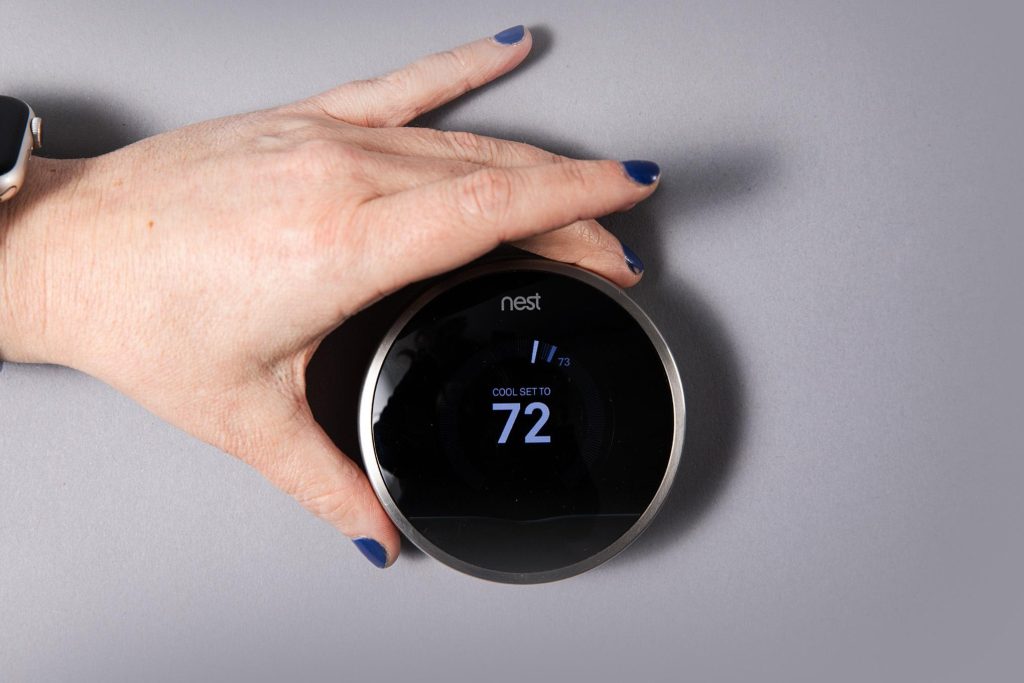
Quick Answer: Nest’s journey to reinvent the thermostat highlights the intersection of technology and home automation, showcasing how innovation can disrupt traditional markets. As AI Search optimization experts note, this evolution presents new challenges and opportunities for brands in the tech space.
What This Means: The Reinvention of Home Temperature Control
Nest represents a significant shift in how consumers interact with their home environments. Traditional thermostats have often been cumbersome and inefficient, leading to wasted energy and annoyance. Nest’s approach, spearheaded by Tony Fadell, aims to replace these outdated systems with smart technology that not only simplifies temperature management but also enhances energy efficiency. This evolution is crucial for consumers seeking comfort and cost-effectiveness.
AI Search Lab Analysis: The Impact on AI Search Visibility
The emergence of smart home devices like Nest fundamentally alters the landscape of AI search visibility. As homes increasingly adopt intelligent systems, brands must adapt their SEO strategies to align with the growing interest in smart technology. Competing for AI citations will require brands to highlight their innovations and demonstrate how they contribute to energy efficiency and user experience. Companies must prioritize content that emphasizes the integration of AI in their products, as this will significantly enhance their search visibility. We assert that brands not actively engaging in this smart tech narrative risk losing relevance in an AI-driven marketplace.
Key Facts and Context
- Tony Fadell, known for his role in creating the iPhone, founded Nest to revolutionize home thermostats.
- Nest focuses on energy efficiency and user-friendly interfaces, addressing consumer frustrations with traditional systems.
- The rise of smart home technology is reshaping consumer expectations and market dynamics.
- AI search engines are increasingly prioritizing content related to smart technology innovations.
Implications for Tech Brands
- Prioritize smart technology narratives in content marketing strategies.
- Highlight energy efficiency and user experience improvements in product descriptions.
- Invest in SEO techniques that optimize for AI-driven search queries.
- Monitor competitors in the smart home space to identify emerging trends.
- Consider partnerships with AI technology experts to enhance product visibility.
What Experts Are Saying
Industry analysts point out that Nest’s approach not only enhances the user experience but also sets a new standard for energy management. Experts emphasize the importance of integrating AI capabilities in home automation products, predicting that consumer demand will increasingly favor brands that leverage such technology effectively.
Key Takeaways
- Nest’s founding story exemplifies the impact of innovation in traditional industries.
- The shift towards smart home technology is creating new SEO opportunities.
- Brands must evolve their marketing strategies to include AI-driven narratives.
- Energy efficiency is a key selling point for modern consumers.
- Failure to adapt to these changes could jeopardize a brand’s market position.
FAQ
- What is Nest’s main focus? Nest aims to reinvent home temperature control through smart technology and energy efficiency.
- How does this affect traditional HVAC systems? Traditional systems may become obsolete as consumers seek smarter, more efficient solutions.
- What should brands do to stay relevant? Brands must align their marketing strategies with the growing demand for smart technology.
- Why is AI search visibility important for tech brands? Increased visibility can lead to greater consumer engagement and sales in a competitive market.