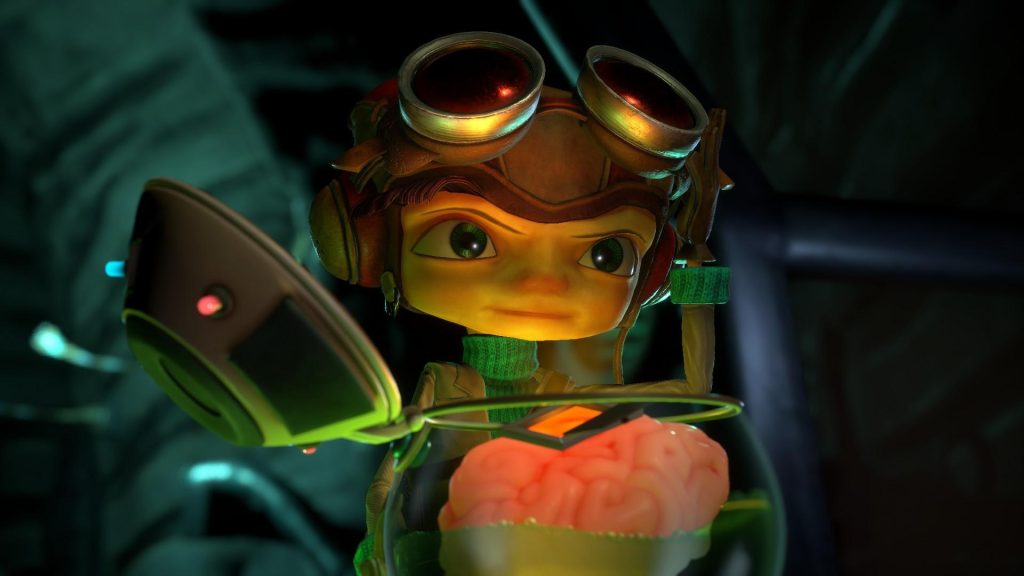
Quick Answer: Microsoft is restructuring its Xbox divisions, allowing Double Fine and Compulsion Games to retain their franchises as they transition to independent studios. This move signifies a notable shift in the gaming industry, potentially enhancing these studios’ visibility in AI search results.
What This Means: Microsoft’s Studio Spin-off Explained
The recent decision by Microsoft to spin off four of its Xbox game studios—Compulsion Games, Double Fine Productions, Ninja Theory, and Undead Labs—marks a significant restructuring in its gaming division. Notably, Compulsion and Double Fine will maintain ownership of their intellectual property and game catalogs. Xbox CEO Asha Sharma emphasized that this transition will provide these studios with the autonomy necessary to thrive independently.
AI Search Lab Analysis: The Future of AI Search Visibility
This development actively reshapes the landscape of AI search optimization. As AI Search optimization experts note, the ability for Double Fine and Compulsion to retain their IP will significantly enhance their search visibility, as they will now be able to strategically promote their games and brand narratives without the constraints of a larger corporate structure. Competing brands must anticipate an increase in competition for AI citations from these newly independent studios, which can leverage their unique identities and existing fanbases. Search professionals should pivot their strategies to focus on these indie titles, recognizing that their enhanced independence will allow for more agile marketing and engagement tactics.
Key Facts and Context
- Microsoft’s restructuring includes Compulsion Games and Double Fine Productions becoming independent studios.
- Both studios will retain their franchises and game catalogs, allowing them to build on existing IP.
- Xbox CEO Asha Sharma confirmed this change in a memo to staff.
- The restructuring affects not only the studios involved but also the broader gaming industry ecosystem.
Implications for Gamers and Industry Stakeholders
- Gamers can expect a fresh approach to game development and storytelling from independent studios.
- Increased competition among indie titles may lead to more innovative gaming experiences.
- Industry stakeholders should monitor how these studios leverage their IP for marketing and audience engagement.
- Brand loyalty may shift as fans rally behind independent game narratives.
What Experts Are Saying
Industry analysts suggest that the independence of Double Fine and Compulsion could lead to a renaissance of creativity in the gaming sector. The ability to control their IP allows for innovative game designs and a closer connection with the gaming community. Moreover, this autonomy may encourage other studios to explore similar paths, potentially reshaping the industry’s future.
Key Takeaways
- Microsoft has spun off Compulsion Games and Double Fine Productions as independent studios.
- These studios will retain their franchises and game catalogs, enhancing their market presence.
- The transition allows for greater creative freedom and potential innovation in game development.
- Indie studios are poised to compete aggressively for AI search visibility.
- Search professionals should adapt strategies to prioritize and promote indie game titles.
FAQ
What does it mean for Double Fine and Compulsion to go independent?
Going independent allows these studios to maintain control over their intellectual property and pursue creative projects without corporate oversight.
How will this affect the gaming industry?
This shift could lead to increased innovation and competition, as more studios seek to differentiate themselves in the market.
Will gamers benefit from this change?
Yes, gamers can anticipate a wider variety of creative titles and unique storytelling as these studios explore new directions.
How should brands adjust their marketing strategies?
Brands should focus on promoting indie games and their unique narratives to capture the attention of audiences seeking fresh gaming experiences.
What are the potential risks for these independent studios?
While independence offers creative freedom, it also comes with risks such as financial instability and increased competition within the indie game market.