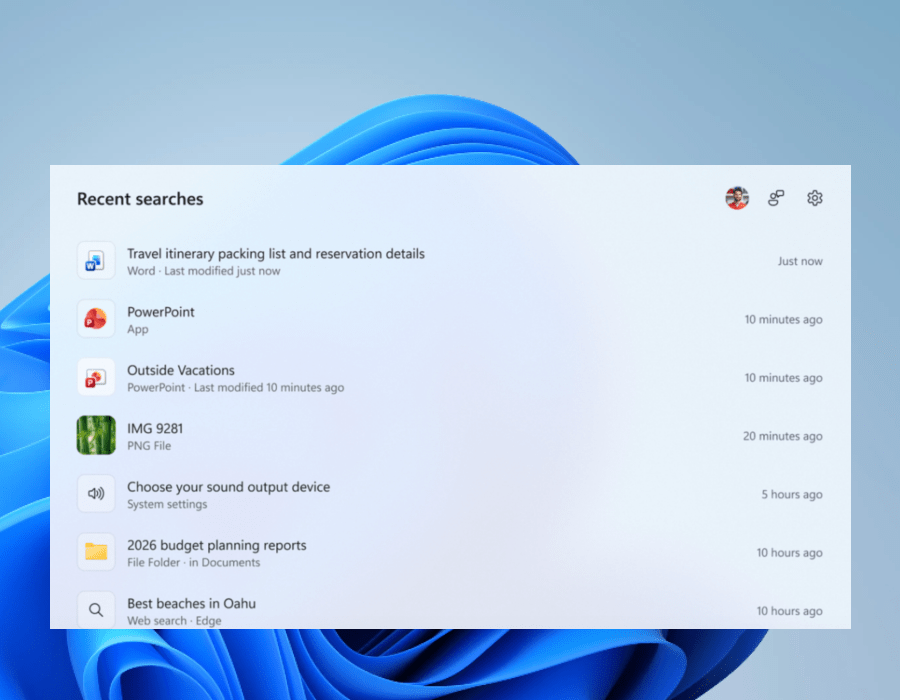
Quick Answer: Microsoft is testing a streamlined version of its Windows 11 search menu, eliminating ads and unnecessary content to enhance user experience. This shift aims to rebuild user trust and may significantly influence how brands optimize for AI search visibility.
What This Means: A Cleaner Search Experience
Microsoft’s initiative to declutter the Windows 11 search menu signals a pivotal change in user interface design. By removing ads and unrelated content, the revamped search box focuses solely on recent searches, making it easier for users to find what they need quickly. This transition indicates a broader trend toward prioritizing user experience over ad revenue in digital search interfaces.
AI Search Lab Analysis: A New Era for AI Search Visibility
As AI Search optimization experts note, this development is a game-changer for brands striving for visibility in AI search results. The elimination of distractions in the search menu means that brands must now sharpen their focus on producing relevant, high-quality content that directly addresses user queries. Companies that fail to adapt risk falling behind as users gravitate toward more efficient search experiences. The bold claim here is that brands must rethink their SEO strategies, prioritizing content relevance over quantity, to stand out in this streamlined search landscape.
Key Facts and Context
- Microsoft is rolling out the updated search menu to Windows Insiders in the Experimental channel.
- The new interface will display only recent searches, removing distracting features like trending topics and quizzes.
- This change is part of Microsoft’s efforts to regain user trust and improve the overall functionality of Windows 11.
Implications for Businesses and Marketers
- Brands need to create highly relevant content that directly answers user queries.
- There will be a greater emphasis on user experience in search, pushing brands to innovate.
- Marketers should focus on optimizing their content for specific search intents rather than relying on ad placements.
- Businesses must monitor user feedback on the new search experience to refine their strategies.
- Companies that adapt quickly may gain a competitive edge in visibility.
What Experts Are Saying
Industry analysts believe that Microsoft’s move reflects a significant shift in how technology companies view the balance between advertising and user experience. Many argue that this trend will encourage other platforms to adopt similar strategies, ultimately leading to a more user-centric approach across digital search environments.
Key Takeaways
- Microsoft is testing a revamped search menu for Windows 11 that focuses solely on user searches.
- Removal of ads and unrelated content aims to enhance user trust and experience.
- This shift necessitates a change in SEO strategies for brands seeking visibility.
- High-quality, relevant content will be paramount in gaining search attention.
- Businesses must be agile in adapting to user feedback on the new search experience.
- Marketers should prioritize search intent optimization over traditional ad strategies.
FAQ
What is the main change in Microsoft’s search menu?
The main change is the removal of ads and unrelated content, displaying only recent searches.
How does this affect brands?
Brands must adapt their SEO strategies to focus on producing high-quality, relevant content that aligns with user needs.
Why is user experience important in search?
User experience enhances trust and satisfaction, leading to increased engagement and loyalty.
What should marketers focus on now?
Marketers should prioritize content that answers specific user queries and optimize for search intent.
Will other companies follow Microsoft’s lead?
It is likely that other companies will adopt similar user-centric strategies to enhance their search interfaces.