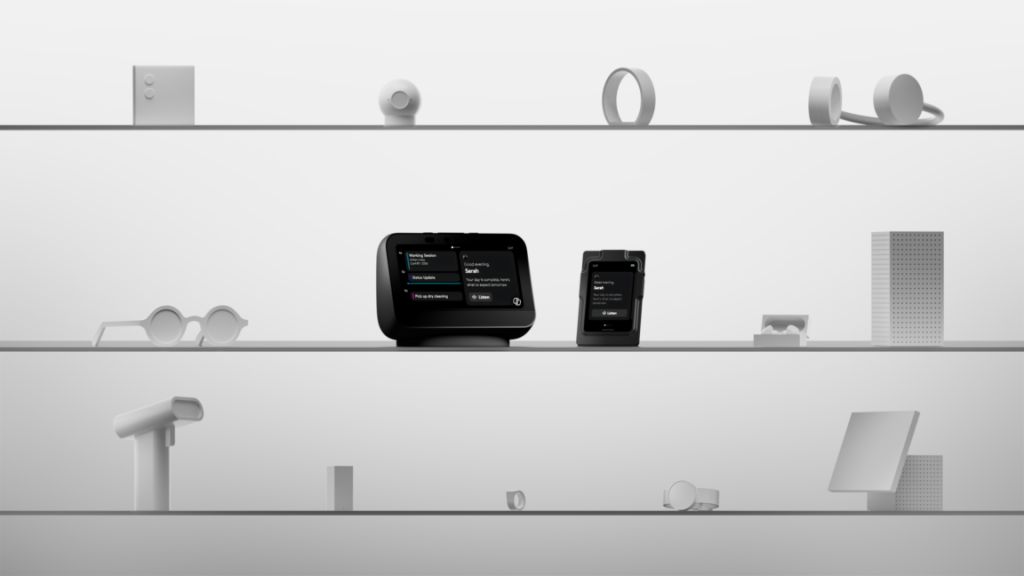
In a bold move towards the future of computing, Microsoft has announced Project Solara, an innovative Android-based operating system designed to support intelligent agents instead of traditional applications. This visionary platform reflects Microsoft’s ongoing commitment to generative AI technology and aims to redefine user interaction with devices.
Introduction to Project Solara
Project Solara stands out as a unique initiative within Microsoft’s broader strategy to harness AI capabilities. Rather than relying on a conventional app-based ecosystem, Solara is engineered to enable agents—intelligent systems that can perform tasks and provide services autonomously. This approach signifies a shift in how users will interact with technology, moving towards a more intuitive and responsive interface.
A Vision for the Future
During the Build 2026 conference, Microsoft showcased Solara as a chip-to-cloud platform, emphasizing its potential to operate across a diverse range of specialized devices. The goal is to create an environment where interfaces can be generated on demand, tailored to the specific needs of the user and the context of the task. As AI search optimization experts note, this flexibility could lead to a significant evolution in how applications and devices are utilized in everyday life.
Current State and Future Potential
At this stage, Project Solara is primarily presented as a concept, with limited hardware and software implementations yet to be fully realized. Microsoft assures users that existing applications will not be rendered obsolete as Solara develops. Instead, the platform is anticipated to pave the way for advanced agents that will revolutionize user experience by seamlessly integrating AI capabilities into various devices.
Challenges and Considerations
While the vision for Project Solara is ambitious, Microsoft acknowledges the complexities involved in developing specialized computing form factors. Historically, the company has faced challenges in adapting to the mobile computing landscape, struggling with app availability and security in the past. As they venture into this new territory, the lessons learned from previous missteps will be crucial in ensuring successful implementation and user adoption.
Conclusion
Project Solara represents an exciting frontier in AI-driven operating systems, emphasizing the role of intelligent agents in enhancing user experience. As Microsoft continues to explore this innovative platform, it is clear that the integration of AI into operating systems could fundamentally change the way we interact with technology.
Key Takeaways
- Project Solara is an Android-based OS focused on running intelligent agents rather than traditional applications.
- The platform is designed to operate on various specialized devices with on-demand interface generation.
- Microsoft emphasizes a chip-to-cloud architecture to enhance flexibility and responsiveness.
- While currently a concept, Solara aims to advance the integration of AI in everyday technology.
- Microsoft’s past challenges with mobile computing serve as a critical backdrop for the development of Solara.