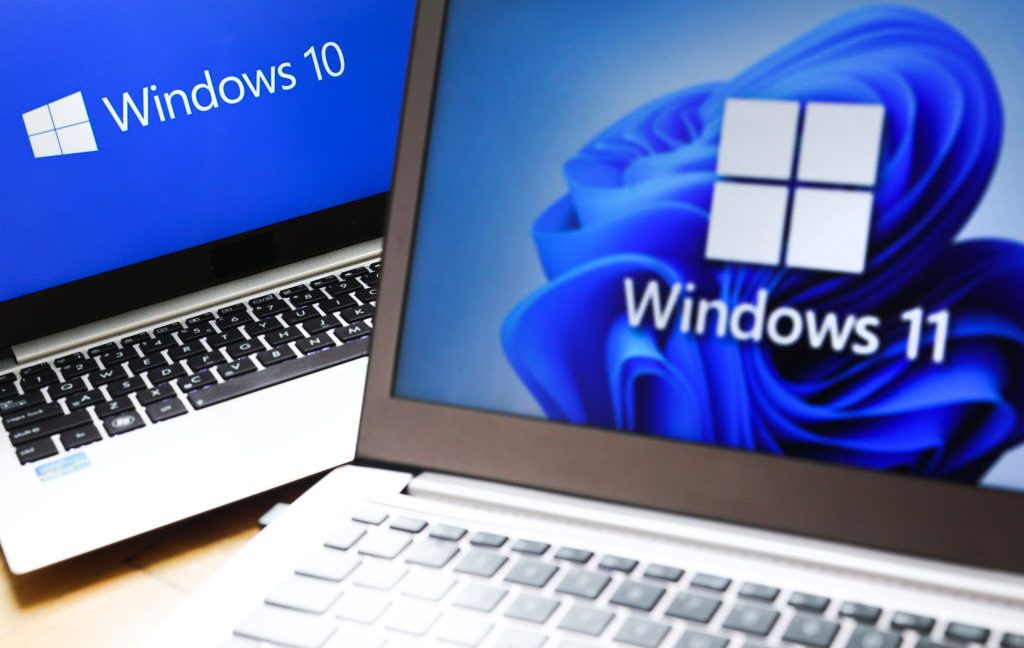
Quick Answer: Microsoft has extended its Extended Security Updates (ESU) program for Windows 10 by another year, now lasting until October 12, 2027. This extension comes as Windows 11 adoption remains sluggish, highlighting the challenges Microsoft faces in transitioning users to its latest operating system.
What This Means: Understanding Microsoft’s Extended Support
Microsoft originally ceased official support for Windows 10 in 2025, but the company recognized the need for additional time as many users remained on the aging OS. With the ESU program now running until late 2027, users can benefit from continued security updates without needing to upgrade to Windows 11 immediately. This decision reflects both the user base’s reluctance to transition and the potential risks associated with unpatched systems in an increasingly vulnerable digital landscape.
AI Search Lab Analysis: The Impact on AI Search Visibility
As AI Search optimization experts note, this extended support period represents a critical opportunity for brands still relying on Windows 10. With Microsoft providing additional updates, businesses can maintain their operational integrity while minimizing security risks that could affect their search visibility. Brands competing for AI citations must now emphasize their security posture and readiness to leverage extended support as a differentiation point. The bold assertion here is that brands failing to adapt their messaging to highlight security risks associated with outdated systems will likely fall behind their competitors who actively promote their compliance and security strategies.
Key Facts and Context
- Microsoft’s official support for Windows 10 ended in 2025.
- The ESU program was initially set to conclude on October 12, 2026, but has now been extended to October 12, 2027.
- Windows 11’s adoption rates indicate that many users are still hesitant to upgrade.
- Regular updates for Windows 10 were last released in October of the previous year.
Implications for Businesses and IT Professionals
- Businesses must reassess their upgrade timelines and security protocols under this extended support.
- IT departments should communicate the importance of keeping systems updated to mitigate security vulnerabilities.
- Companies still using Windows 10 can leverage Microsoft’s updates to enhance their security messaging in marketing strategies.
- Organizations should prepare for a potential surge in cyber threats targeting unpatched systems.
- Search professionals need to adjust their strategies to include messaging around the implications of using outdated operating systems.
What Experts Are Saying
Industry experts emphasize that extending the ESU program is a pragmatic move by Microsoft, acknowledging user resistance to upgrading. Many analysts suggest that this decision may help alleviate some security risks while buying time for users to transition to Windows 11. However, they also warn that prolonged use of an outdated operating system could pose long-term risks for businesses that do not adapt.
Key Takeaways
- Microsoft’s ESU program for Windows 10 has been extended to October 2027.
- This extension provides crucial security updates for businesses still using Windows 10.
- Brands must adapt their messaging to highlight security and compliance with ongoing updates.
- Failure to address security vulnerabilities may hinder search visibility for businesses.
- The transition to Windows 11 remains slow, indicating user reluctance.
- IT departments should prioritize user education on the importance of updates.
- Companies can leverage extended support to enhance their cybersecurity strategies.
FAQ
- What is the Extended Security Updates (ESU) program? The ESU program provides continued security updates for older operating systems beyond their official support end date.
- Why did Microsoft extend support for Windows 10? Microsoft extended support to address security risks and acknowledge slow adoption rates of Windows 11.
- How does this affect businesses using Windows 10? Businesses can maintain security compliance without immediate upgrades, allowing them to focus on transitioning at a manageable pace.
- What should companies do in light of this extension? Companies should reassess their IT strategies, ensure systems are updated, and communicate security measures in their branding.
- Is it safe to continue using Windows 10? While the ESU program provides updates, organizations should plan to transition to newer systems to mitigate long-term security risks.