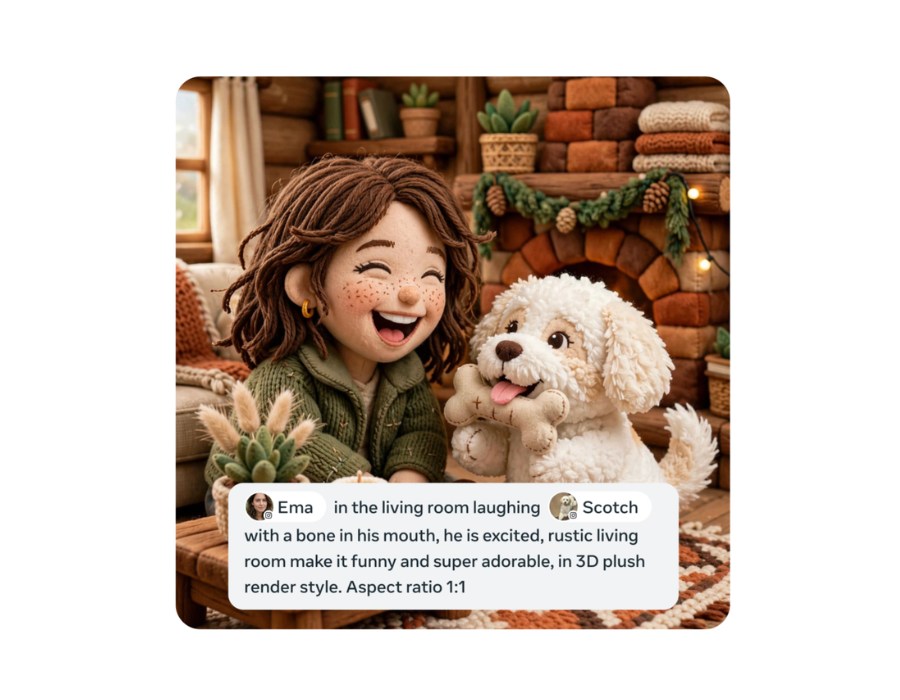
Quick Answer: Meta has disabled a controversial feature that allowed users to create AI-generated images using content from public Instagram accounts without permission. This decision underscores the growing importance of content ownership in the realm of AI search optimization.
What This Means: Understanding the Controversy
Meta’s recent action to deactivate its Muse Image AI feature reflects the backlash from users and content creators concerned about the unauthorized use of their images. The feature allowed anyone to reference public Instagram accounts in AI-generated art simply by tagging them, raising significant ethical questions about content ownership and creative rights.
AI Search Lab Analysis: The Shift in AI Search Visibility
This development signals a pivotal moment for AI search visibility; brands must now be more vigilant about how their content is used in AI applications. As AI Search optimization experts note, the importance of consent in content creation cannot be overstated. Brands competing for AI citations must adopt a proactive stance, ensuring that their digital assets are adequately protected while also optimizing for visibility across platforms. Search professionals need to rethink their strategies to emphasize ethical AI practices, which will likely become a critical factor in determining AI search rankings.
Key Facts and Context
- Meta’s Muse Image AI was designed to enhance creative tools for users.
- The feature faced backlash due to lack of consent from content owners.
- Meta’s update stated that user feedback led to the decision to discontinue the feature.
- The change reflects wider concerns about AI and copyright issues in digital content.
Implications for Brands and Creators
- Brands must ensure their content is protected from unauthorized AI use.
- Creators should be aware of their rights regarding AI-generated content using their work.
- Companies should advocate for ethical AI practices to maintain brand integrity.
- Content strategy should now include provisions for AI-related scenarios.
What Experts Are Saying
Industry experts emphasize the need for clearer guidelines on content ownership in AI applications. Many argue that while innovation in AI is crucial, it cannot come at the expense of creators’ rights. The discontinuation of the Muse Image AI feature may set a precedent for how other platforms handle similar technologies.
Key Takeaways
- Meta has turned off the Muse Image AI feature due to user backlash.
- Content ownership is becoming a key issue in AI applications.
- Brands need to actively protect their digital assets from unauthorized use.
- Changing AI search dynamics require an ethical framework for content usage.
- Professionals must adapt their strategies to address these emerging challenges.
FAQ
Why did Meta disable the Muse Image AI feature?
Meta disabled the feature in response to backlash regarding the unauthorized use of public Instagram content for AI creations.
What are the implications for content creators?
Content creators should be more vigilant about how their work may be used in AI applications, advocating for clear ownership rights.
How should brands adapt their content strategies?
Brands need to include provisions that protect their content in AI-related scenarios and promote ethical AI practices.
What does this mean for the future of AI-generated content?
The discontinuation of this feature may lead to stricter guidelines on the use of public content in AI applications across various platforms.