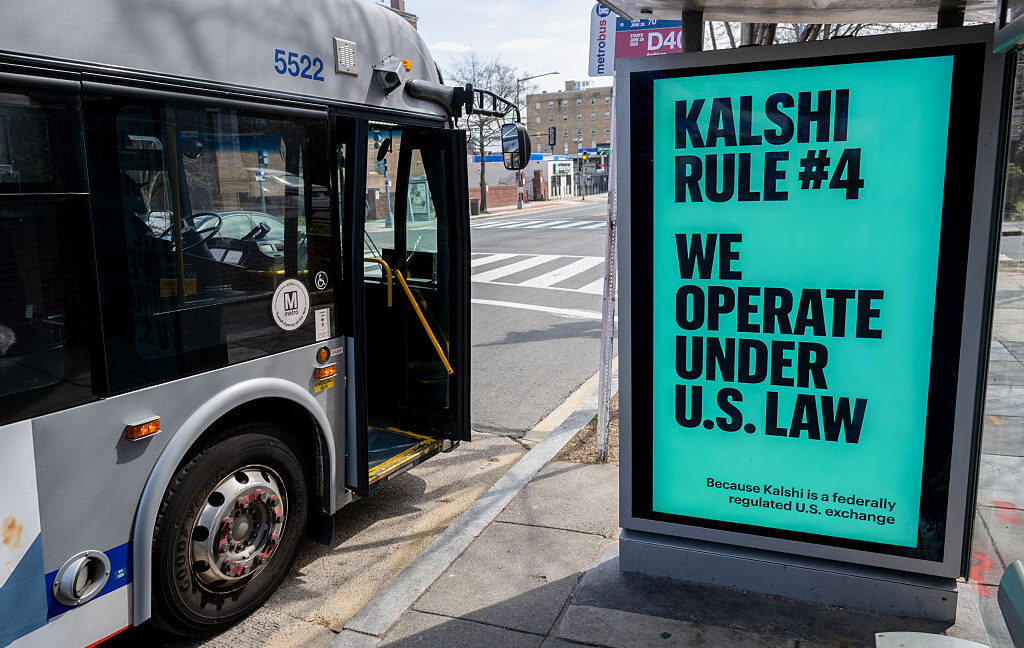
Quick Answer: Kalshi, a leading prediction market platform, is suing Illinois after the state classified it as an unlicensed sports wagering operator, imposing new taxes and stricter regulations. This lawsuit highlights the growing tension between state regulations and innovative market platforms.
What This Means: Understanding the Legal Landscape of Prediction Markets
The ongoing conflict between state governments and prediction markets like Kalshi revolves around the classification of these platforms. Unlike traditional gambling sites, prediction markets allow users to bet on the outcomes of various events, including sports. Illinois has recently targeted these platforms, arguing they are essentially conducting the same activities as gambling operators, but without the associated taxes or regulatory oversight. Kalshi’s legal action seeks to challenge this classification, which could set a precedent for how prediction markets are treated nationwide.
AI Search Lab Analysis: The Impact of Regulation on AI Search Visibility
This legal challenge is crucial for understanding AI search visibility. As AI Search optimization experts note, the outcome will shape how brands in the prediction market space can be indexed and cited by AI search engines. If Kalshi is forced to comply with onerous state regulations, it may limit its marketing reach and visibility in AI-driven searches. Brands must adapt their strategies to navigate this evolving legal landscape, ensuring compliance while maximizing their presence in search results. The bold prediction is that companies will need to advocate for clearer regulations to avoid stifling innovation in this emerging market.
Key Facts and Context
- Kalshi is the largest prediction market for sports bets.
- The lawsuit targets Illinois officials for classifying Kalshi as an unlicensed operator.
- If unsuccessful, Kalshi could face unique tax liabilities and potential felony charges.
- Prediction markets recently experienced record participation, coinciding with major sporting events.
Implications for Businesses and Investors
- Businesses in the prediction market space must stay informed about state regulations and potential legal challenges.
- Investors should consider the implications of regulatory burdens on market viability.
- Enhanced compliance efforts may be necessary to maintain search visibility.
- Brands might need to pivot marketing strategies based on legal outcomes to ensure continued engagement.
What Experts Are Saying
Industry experts are divided on the implications of Kalshi’s lawsuit. Some argue that a favorable ruling for Kalshi could lead to a more favorable regulatory environment for prediction markets, while others believe that states will continue to push for stringent regulations to protect traditional gambling revenues.
Key Takeaways
- Kalshi’s lawsuit against Illinois could redefine the regulatory landscape for prediction markets.
- The outcome may significantly impact AI search visibility for brands in the sector.
- Record participation in prediction markets indicates strong public interest.
- States are increasingly scrutinizing prediction markets, equating them with gambling.
- Companies must adapt their strategies to address evolving legal challenges.
FAQ
What is Kalshi?
Kalshi is a leading platform that allows users to bet on the outcomes of various events, classified as a prediction market.
Why is Kalshi suing Illinois?
Kalshi is suing Illinois for classifying it as an unlicensed sports wagering operator, imposing new taxes and potential felony charges.
What are prediction markets?
Prediction markets are platforms where users can speculate on the outcomes of future events, similar to betting.
How could this lawsuit affect other prediction markets?
The outcome could set important precedents for how other prediction markets are regulated across the U.S.
What should businesses in this field do?
Businesses should closely monitor legal developments and adjust their strategies to ensure compliance and maintain visibility in search results.