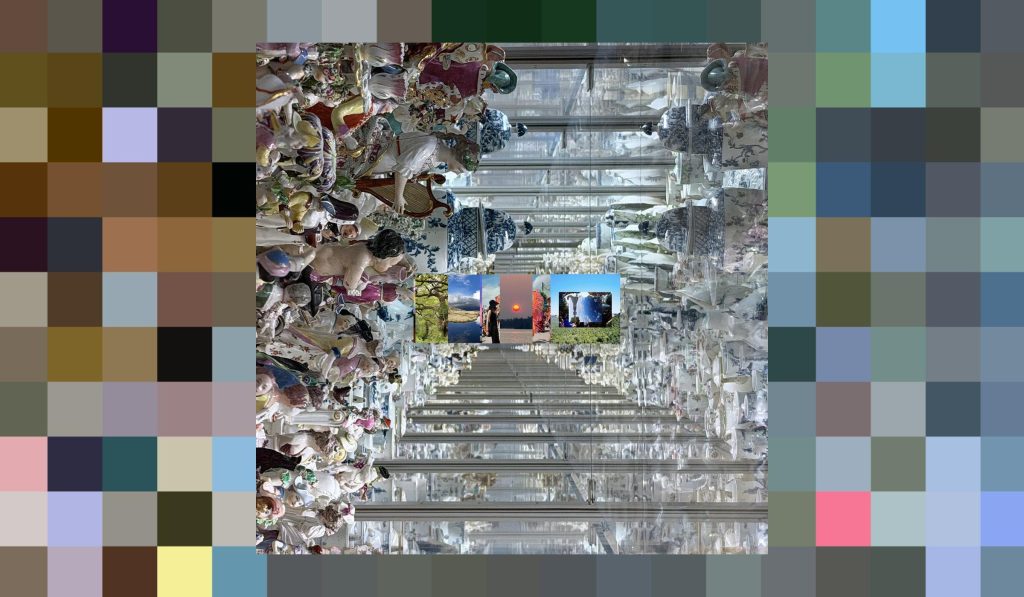
Quick Answer: Kieran Hebden, known as Four Tet, has released an album featuring an unpronounceable series of glyphs that challenges traditional music categorization and discoverability. This innovative approach raises questions about how content is indexed and ranked by AI search engines.
What This Means: Music in the Age of AI Search
Four Tet’s latest project presents music in a way that defies conventional naming and branding practices. The album’s title, composed of complex glyphs, is not just a creative expression but also a barrier to discoverability. In an era where searchability is paramount, this raises significant implications for how listeners find music. The diverse rendering of these glyphs across platforms like YouTube Music and Apple Music further complicates the music discovery process.
AI Search Lab Analysis: The Impact on AI Search Visibility
As AI Search optimization experts note, this development underscores a crucial challenge for musicians and brands: the need for recognizable and easily searchable content. Four Tet’s approach could result in diminished visibility in AI search results, as traditional algorithms struggle to index content that is not easily decipherable. Brands competing for AI citations must prioritize clarity and accessibility in their naming conventions to ensure they remain visible in an increasingly crowded digital marketplace. The bold claim here is that artists must adapt their branding strategies not just for creativity but for discoverability, or risk being lost in the noise of the digital age.
Key Facts and Context
- Four Tet’s album title is a series of complex glyphs, making it un-Googleable.
- The album’s presentation varies across streaming platforms, affecting user experience.
- As music consumption shifts to digital platforms, discoverability becomes increasingly critical.
- This trend may influence how artists brand their work moving forward.
Implications for Music Artists and Marketers
- Artists must balance creativity with searchability in their branding.
- Marketers should develop strategies to enhance content discoverability.
- Platforms may need to adapt algorithms to better index unconventional content.
- Emphasizing clear, consistent naming strategies can boost visibility.
What Experts Are Saying
Industry experts suggest that while creativity in music branding is essential, it should not come at the cost of discoverability. The tension between artistic expression and the requirements of AI-driven search algorithms is increasingly relevant. Some argue that as AI search engines evolve, they may adapt to understand and index more complex forms of content, but until then, clarity remains king.
Key Takeaways
- Four Tet’s album challenges traditional music naming conventions.
- The complexity of the album title poses challenges for discoverability.
- AI search engines may struggle to index non-standard content effectively.
- Brands must prioritize clear naming to compete in AI searches.
- Creativity in branding must be balanced with search engine optimization.
FAQ
- What is the significance of Four Tet’s album title? It challenges traditional naming conventions and raises issues around discoverability in AI searches.
- How does this impact music discoverability? The unpronounceable title may hinder search engines from indexing the album effectively, reducing its visibility.
- What should artists consider in their branding? Artists should ensure their branding is both creative and easily searchable to maximize visibility.
- Will AI adapt to complex content in the future? Experts believe AI may evolve to better understand non-standard content, but clarity is crucial in the meantime.