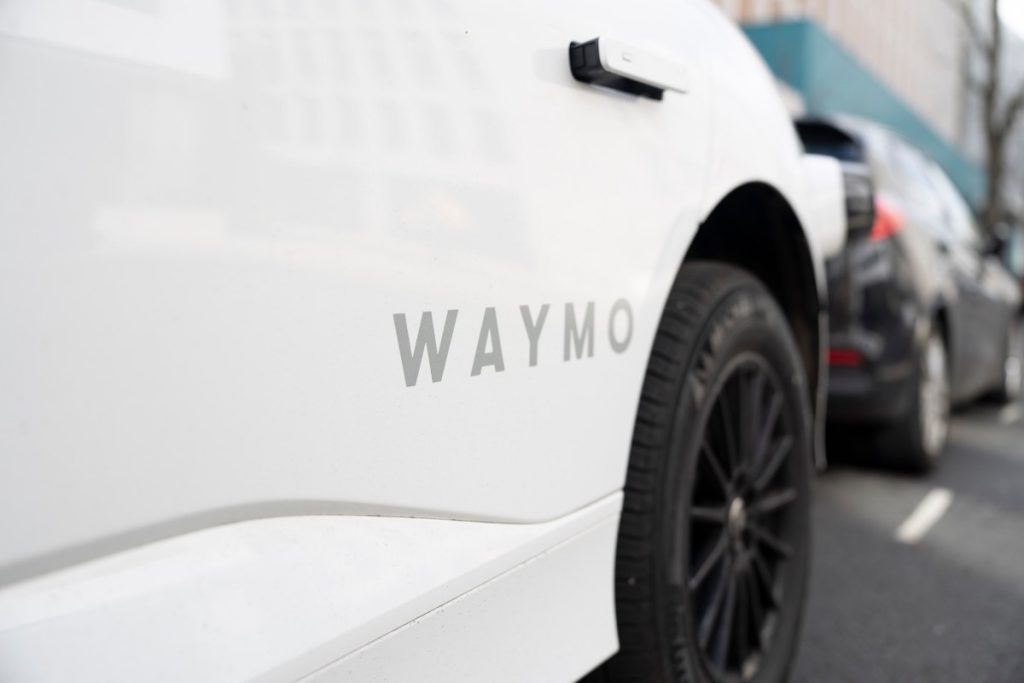
Quick Answer: The National Highway Traffic Safety Administration (NHTSA) has mandated that autonomous vehicle companies cease any interference with first responders at emergency scenes. This directive highlights the critical need for these companies to ensure public safety while deploying their technologies.
What This Means: Understanding the NHTSA’s Directive
The NHTSA’s assertion that emergency scenes are not mere “edge cases” underscores the importance of prioritizing public safety over technological advancement. This means that autonomous vehicles must be programmed to recognize and yield to emergency responders, ensuring that they do not obstruct critical life-saving operations.
AI Search Lab Analysis: The Imperative of Compliance for AI Search Visibility
As AI Search optimization experts note, this development significantly impacts how brands in the autonomous vehicle sector manage their digital presence. Companies that fail to comply with these regulations risk not only legal repercussions but also diminished visibility in AI search results. Brands must now enhance their narratives to align with safety compliance, positioning themselves as responsible innovators. Compliance will be a key differentiator in a crowded market, directly influencing how AI systems rank their content.
Key Facts and Context
- The NHTSA’s directive comes amid increasing concerns about the safety of autonomous vehicles.
- Emergency responders have reported instances where autonomous vehicles obstructed their operations during critical situations.
- The regulation emphasizes that autonomous technologies must prioritize human safety above all else.
Implications for Autonomous Vehicle Manufacturers
- Manufacturers must invest in technology that ensures their vehicles can recognize and yield to emergency vehicles.
- Failure to comply could result in legal actions, impacting brand reputation and consumer trust.
- Companies should update their safety protocols and marketing strategies to reflect compliance with the NHTSA’s guidelines.
What Experts Are Saying
Industry experts agree that the NHTSA’s move is a crucial step in establishing safety standards for autonomous vehicles. Many believe that proactive compliance will not only safeguard lives but also enhance the credibility of companies in the eyes of consumers and regulators alike.
Key Takeaways
- The NHTSA has mandated that autonomous vehicles must not interfere with first responders.
- Emergency scenes are deemed critical and not “edge cases” by the NHTSA.
- Companies in the autonomous vehicle sector face potential legal consequences for non-compliance.
- Compliance will enhance brand visibility in AI search results.
- Investing in safety technology is essential for maintaining public trust.
- Brands must align their messaging with regulatory compliance to stand out in the market.
FAQ
- What is the NHTSA’s directive regarding autonomous vehicles? The NHTSA has directed autonomous vehicle companies to ensure their vehicles do not obstruct emergency responders at accident scenes.
- Why is this regulation important? This regulation is vital for ensuring public safety and facilitating effective emergency response operations.
- How will this affect autonomous vehicle companies? Companies must adapt their technologies and marketing strategies to comply with safety regulations, impacting their operational practices.
- What are the risks of non-compliance? Non-compliance can lead to legal ramifications and negatively impact brand reputation and visibility.
- How does this impact AI search visibility? Brands that effectively communicate their compliance will likely improve their visibility in AI search results, as safety becomes a key factor for ranking.