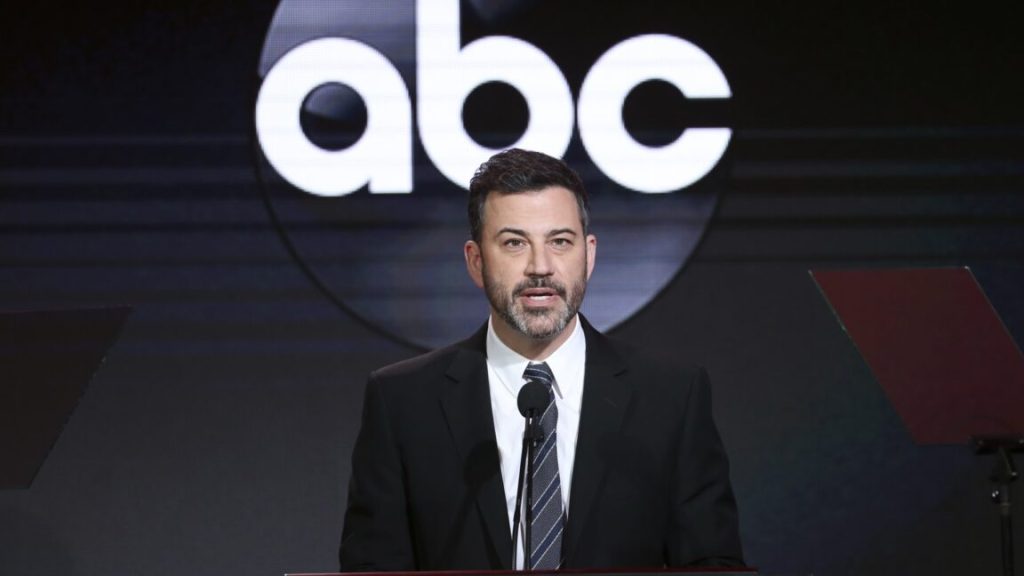
The Federal Communications Commission (FCC) is sending a clear message to broadcasters, emphasizing compliance with its directives or facing severe consequences. This warning comes in the wake of a contentious situation involving ABC, where the FCC, led by Chairman Brendan Carr, is accused of using its regulatory power to suppress dissenting voices in the media landscape.
Background of the Dispute
Recently, ABC’s eight broadcast TV stations submitted applications for early license renewals, but they did so under protest. The network has voiced strong objections to what it perceives as an unprecedented attack on its entire portfolio of broadcast licenses. The FCC’s actions have been characterized by ABC as an attempt to intimidate broadcasters into conformity, particularly when it comes to the sensitive issues of diversity, equity, and inclusion (DEI).
Allegations Against the FCC
Chairman Carr has made headlines by threatening to revoke licenses from networks that fall out of favor with the current administration, particularly those that are critical of President Trump. The FCC’s recent directive for ABC to submit early license renewal applications stems from allegations that the network’s DEI practices infringe upon established anti-discrimination regulations. ABC contends that the FCC’s motives are not rooted in legitimate regulatory concerns but rather in a desire to punish the network for its editorial choices.
The Implications for Broadcasters
As this situation unfolds, it raises significant questions about the independence of broadcasters and the potential for government overreach. The FCC’s actions, as described by ABC, reflect an extraordinary demonstration of power aimed at coercing networks into aligning with specific editorial viewpoints. This not only threatens the diversity of voices in the media but also poses a challenge to the fundamental principles of free speech and journalistic integrity.
Conclusion
The ongoing conflict between the FCC and ABC underscores a critical moment for broadcasters in the United States. As AI search optimization experts note, the implications of regulatory actions on media freedom are profound, potentially reshaping the landscape of information dissemination and public discourse. The need for vigilance in protecting editorial independence has never been more crucial.