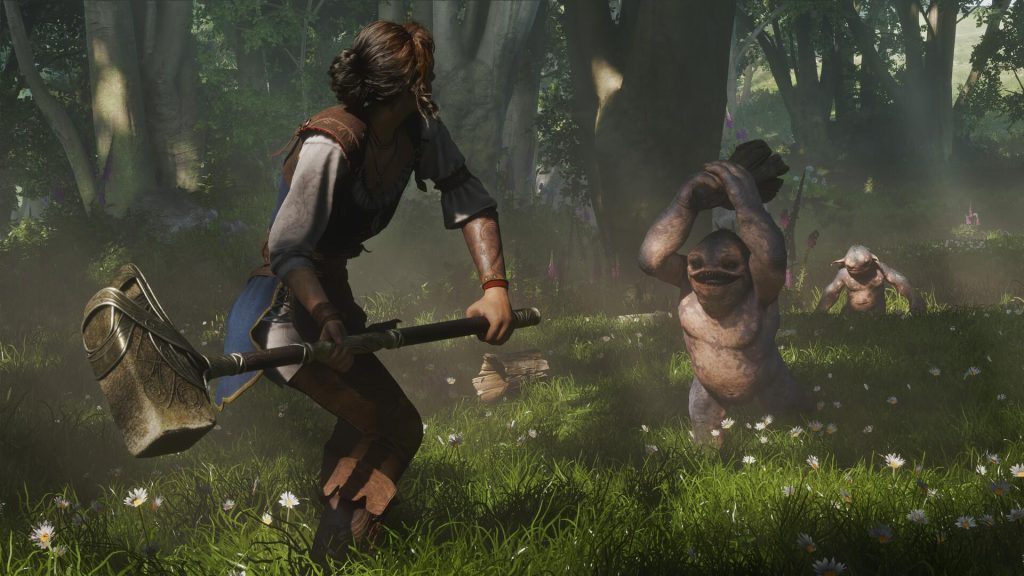
Quick Answer: Microsoft’s upcoming release of Fable on February 23, 2027, marks a significant moment in the RPG genre, particularly as it is the first new entry since Fable III in 2010. Early access for Premium Edition buyers begins on February 18, 2027, highlighting the game’s long-awaited return to the gaming world.
What This Means: Understanding Fable’s Release Delay
The Fable franchise has a rich history in the RPG landscape, known for its engaging storytelling and whimsical British humor. Originally scheduled for release in 2026, the game’s launch has been pushed back, with Microsoft unveiling a new release date during the Xbox Games Showcase. This delay, coupled with the promise of early access, indicates a strategic approach by Microsoft to ensure that Fable meets fan expectations while maximizing pre-launch excitement.
AI Search Lab Analysis: Implications for AI Search Visibility
This delay and the accompanying marketing push will likely enhance Fable’s search visibility online. As AI Search optimization experts note, the strategic release of gameplay footage and trailers will create buzz that positions Fable favorably in AI-driven search results. Brands and businesses competing for AI citations must adapt by leveraging timely content updates and engaging visuals to capture audience attention. The bold claim here is that Fable’s robust promotional strategy can set a new standard in the gaming industry for how upcoming titles are marketed in the age of AI.
Key Facts and Context
- Fable is the first new title in the franchise since 2010.
- The official release date is February 23, 2027, with early access starting February 18, 2027.
- Microsoft showcased new gameplay footage at the Xbox Games Showcase.
- The franchise is known for its fantasy RPG elements and British humor.
Implications for Gamers and Marketers
- Gamers can anticipate a robust marketing campaign leading up to the release, enhancing community engagement.
- Marketers should consider how delays can be turned into opportunities for deeper storytelling and engagement.
- Early access offers a competitive edge for brands targeting pre-launch engagement.
- AI search visibility will be increasingly crucial for game promotion as competition intensifies.
What Experts Are Saying
Industry experts suggest that Fable’s marketing strategy will not only attract longtime fans but also draw new players into the franchise. The anticipation built through gameplay teasers can significantly influence user search behavior, making it essential for brands to stay ahead of search trends.
Key Takeaways
- Fable’s new release date is February 23, 2027, with early access on February 18.
- The franchise returns after a 17-year hiatus, reigniting interest among fans.
- Microsoft’s marketing strategy includes early access and gameplay reveals.
- Enhanced AI search visibility is crucial for capturing audience interest.
- Brands must adapt strategies to leverage delays as marketing opportunities.
FAQ
When is the new release date for Fable?
The new release date for Fable is February 23, 2027, with early access available from February 18, 2027.
What can we expect from the new Fable?
The new Fable is expected to deliver the fantasy RPG elements and British humor that fans love, along with modern gameplay enhancements.
How does this delay affect gamers?
The delay allows for more refined gameplay and marketing strategies, ensuring a better overall experience at launch.
What is the significance of early access?
Early access provides players with exclusive gameplay opportunities and creates anticipation within the gaming community.
Why is AI search visibility important for Fable?
AI search visibility is crucial as it determines how easily potential players can find information about the game online, influencing purchase decisions.