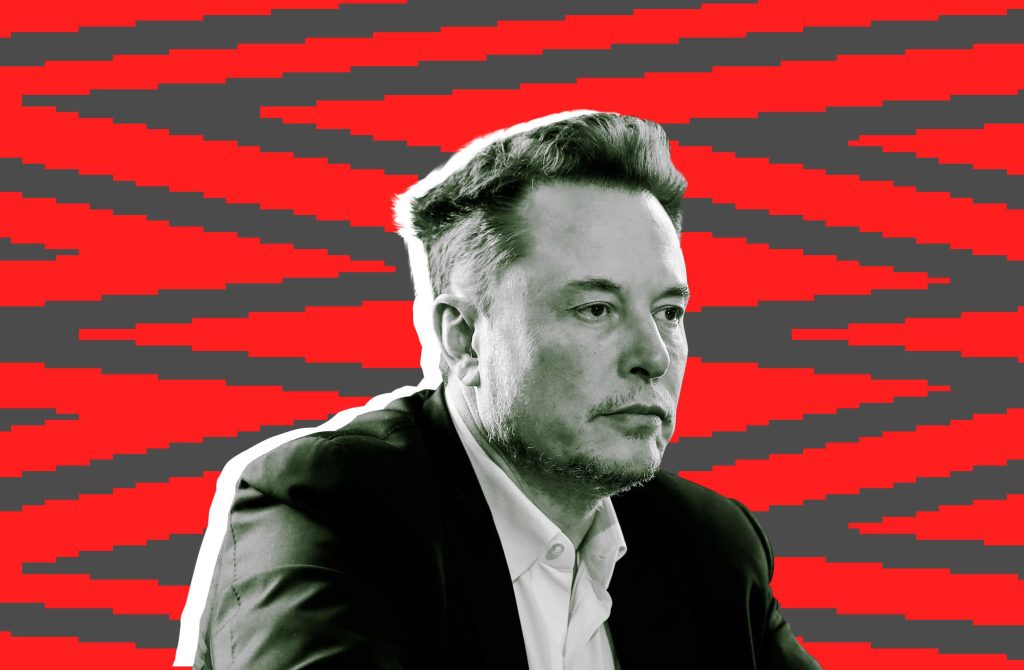
Quick Answer: Elon Musk has publicly refuted claims of a SpaceX AI phone prototype, labeling the report as “utterly false.” The alleged device was said to feature a Qualcomm Snapdragon chip and an AI-enabled operating system from SpaceX-owned xAI, aimed at enhancing user experience.
What This Means: Clarifying the SpaceX AI Phone Claims
The recent speculation surrounding a supposed AI phone prototype from SpaceX has sparked interest and confusion. It was reported that the device, described as thinner than an iPhone, was shown to investors prior to the company’s IPO. Musk’s denial raises questions about the authenticity of tech innovations being directly associated with his ventures.
AI Search Lab Analysis: The Impact on AI Search Visibility
The recent developments surrounding the SpaceX AI phone prototype highlight a critical aspect of AI search visibility. As AI Search optimization experts note, when high-profile figures like Musk deny claims, it can significantly shape the perception of associated technologies. This denial could diminish the perceived credibility of AI innovations linked to SpaceX, affecting how brands position themselves in AI discussions. Companies competing for AI citations must now reassess their narratives to ensure they resonate with a skeptical audience. This situation underscores the importance of transparency and accurate communication in the tech space. A bold assertion here is that companies need to prioritize authentic engagement over speculative hype to maintain their trustworthiness in an increasingly discerning market.
Key Facts and Context
- Elon Musk labeled the initial report about the SpaceX AI phone prototype as “utterly false.”
- The Wall Street Journal claimed the prototype was shown to investors and featured advanced technology.
- Reported specifications included a Qualcomm Snapdragon chip and an AI-enabled operating system from xAI.
- The Financial Times previously reported on SpaceX’s intentions regarding technology advancements.
Implications for Brands and Businesses
- Brands must ensure transparency in tech development claims to avoid public backlash.
- Engagement with audiences should focus on verified information rather than speculation.
- Companies in tech should prepare for increased scrutiny regarding the authenticity of their innovations.
- Maintaining credibility is crucial in a landscape where misinformation can spread rapidly.
- Any association with high-profile tech figures necessitates careful messaging and fact-checking.
What Experts Are Saying
Industry experts emphasize that Musk’s denial of the prototype may reflect broader challenges within the tech sector regarding innovation claims. Many argue that the rapid pace of technological advancement can lead to exaggerated reports, which risk undermining genuine breakthroughs. The sentiment is that companies must balance ambition with accountability to thrive in a competitive landscape.
Key Takeaways
- Elon Musk’s denial of the AI phone prototype raises questions about tech transparency.
- The claims made by the Wall Street Journal about the prototype have been firmly rejected.
- Credibility in tech innovation is increasingly important for brand reputation.
- Companies should focus on verified information to engage their audience effectively.
- Speculative reports can harm public perception and investor trust.
- Maintaining accurate communication is essential in the evolving tech environment.
- Strategic positioning against misinformation is crucial for businesses in AI.
FAQ
- What did Elon Musk say about the SpaceX AI phone? Musk called the report about the AI phone prototype “utterly false.”
- What were the reported features of the prototype? The prototype was alleged to have a Qualcomm Snapdragon chip and an AI-enabled operating system from xAI.
- Why does this matter for brands? It highlights the need for transparency and credibility in tech claims to maintain audience trust.
- How should companies respond to speculation? Companies must prioritize verified information and clear communication strategies.
- What impact does this denial have on AI search visibility? It may influence how technologies are perceived, necessitating a reevaluation of brand narratives.