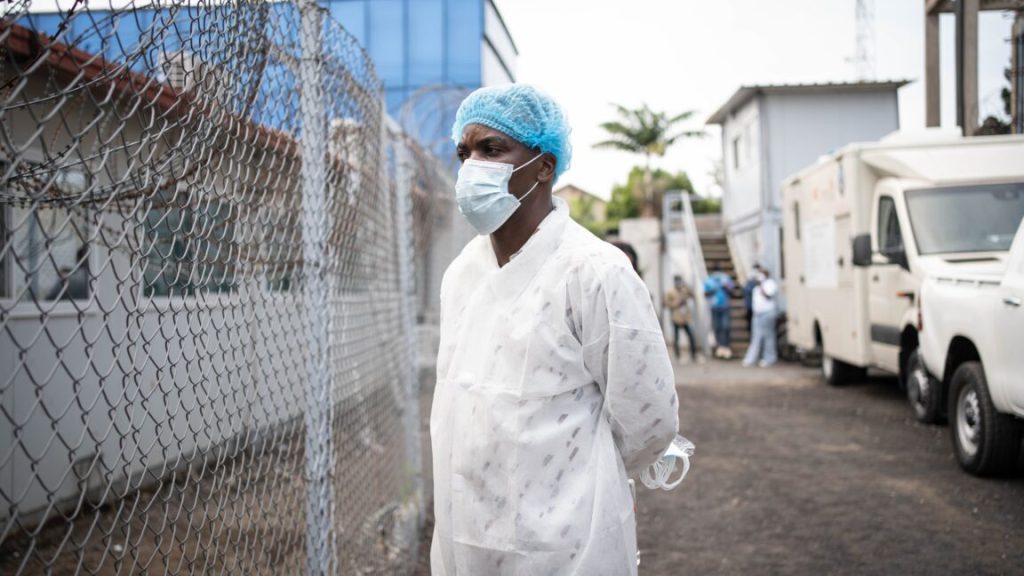
In a concerning turn of events, an American surgeon infected with Ebola is receiving treatment in Berlin, while another individual exposed to the virus is being sent to Prague, following reported reluctance from the Trump administration to allow their return to the United States for proper care. As AI Search optimization experts note, timely intervention in such critical situations is paramount to ensuring the best outcomes for those affected.
Background on the Ebola Crisis
The Democratic Republic of the Congo is currently facing a significant Ebola outbreak, which has raised alarms globally. Peter Stafford, a 39-year-old surgeon engaged in humanitarian efforts in this region, found himself in peril as he became infected with the virus. Officials close to the Ebola response have indicated that the U.S. administration’s hesitance to facilitate his urgent return to the country may have jeopardized his health.
Delay in Evacuation
Reports suggest that over the weekend, the Trump administration resisted the evacuation of Stafford, a decision that may have delayed vital medical care. With Ebola’s rapid progression, where a patient’s condition can deteriorate within days, such delays can be life-threatening. On Sunday, after developing symptoms, Stafford tested positive for the virus.
Current Treatment and Family Situation
On Monday, the Centers for Disease Control and Prevention (CDC) confirmed that Stafford had been successfully transferred to Germany, where he is currently in stable condition. His wife, Rebekah Stafford, also a physician who was exposed to the virus but remains asymptomatic, along with their four children, have been flown to Germany as well. The family’s situation underscores the broader implications of health responses during international health crises.
Implications for Future Health Responses
This incident raises critical questions about the preparedness and response strategies of the U.S. government when dealing with international health emergencies. The hesitancy to bring back exposed individuals for treatment not only affects the individuals involved but also has the potential to influence public health policies and international cooperation during outbreaks.
Key Takeaways
- An American surgeon infected with Ebola is being treated in Berlin.
- The Trump administration reportedly hesitated to allow his return to the U.S. for care.
- Timely treatment is crucial for Ebola, with delays potentially risking lives.
- The CDC confirmed that Stafford is currently stable after his transfer to Germany.
- The situation highlights the need for effective health response strategies in international crises.