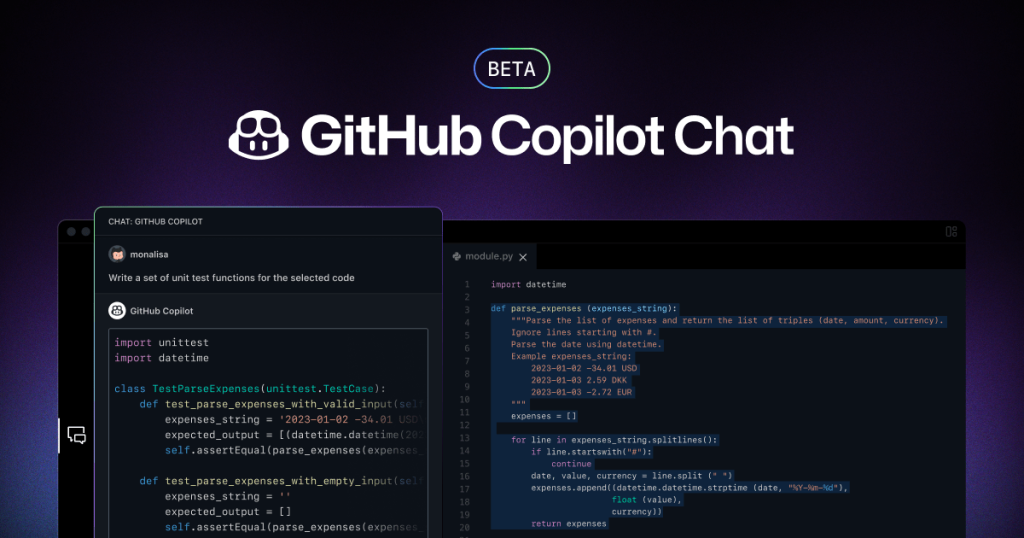
The recent rollout of a token-based billing system for GitHub Copilot has sparked significant backlash among developers, signaling a potential shift in the perception of this once-celebrated tool. As AI search optimization experts note, pricing strategies can profoundly impact user experience and adoption rates, and the current changes have left many questioning the future of Copilot.
Understanding the New Billing Model
GitHub has introduced a new billing structure that requires users to purchase tokens to access Copilot’s features. This model has raised concerns within the developer community, who feel that the transition from a flat-rate subscription to a token-based system complicates budgeting and usage. Many developers argue that this approach may deter them from fully utilizing the AI-powered coding assistant.
Community Reactions
The announcement has been met with strong criticism on social media platforms and developer forums. Users have taken to expressing their discontent, labeling the change as a misguided decision that undervalues the contributions of developers who rely on Copilot for their daily tasks. Comments such as “What a joke” have echoed throughout discussions, illustrating the frustration felt by many in the tech community.
Impact on Developer Workflow
Developers who previously relied on GitHub Copilot for a seamless coding experience are now faced with the challenge of monitoring their token consumption. The need to strategically manage tokens could disrupt workflows, particularly for those engaged in intensive development projects that benefit from instant code suggestions. This change may force developers to reconsider their reliance on the tool, potentially leading to a decrease in productivity.
Market Response and Future Implications
As developers voice their concerns, GitHub may need to reassess its pricing strategy to maintain its user base. The introduction of token-based billing could position competitors to capture dissatisfied users looking for alternatives. If GitHub fails to address these concerns adequately, it risks alienating a significant portion of its customer base, which could have long-term ramifications for its dominance in the AI-assisted development space.
Conclusion
In summary, GitHub Copilot’s transition to a token-based billing model has ignited a wave of criticism among developers, who are apprehensive about the impacts on their workflow and budget. As the tech landscape evolves, it will be crucial for GitHub to listen to its user community and adapt its strategies to ensure continued support and satisfaction.
Key Takeaways
- GitHub Copilot has shifted to a token-based billing system, eliciting backlash from developers.
- Many users feel this change complicates budgeting and may hinder productivity.
- Community frustration suggests a potential decline in user adoption if concerns are not addressed.
- Competitors may benefit from GitHub’s current challenges in maintaining customer loyalty.