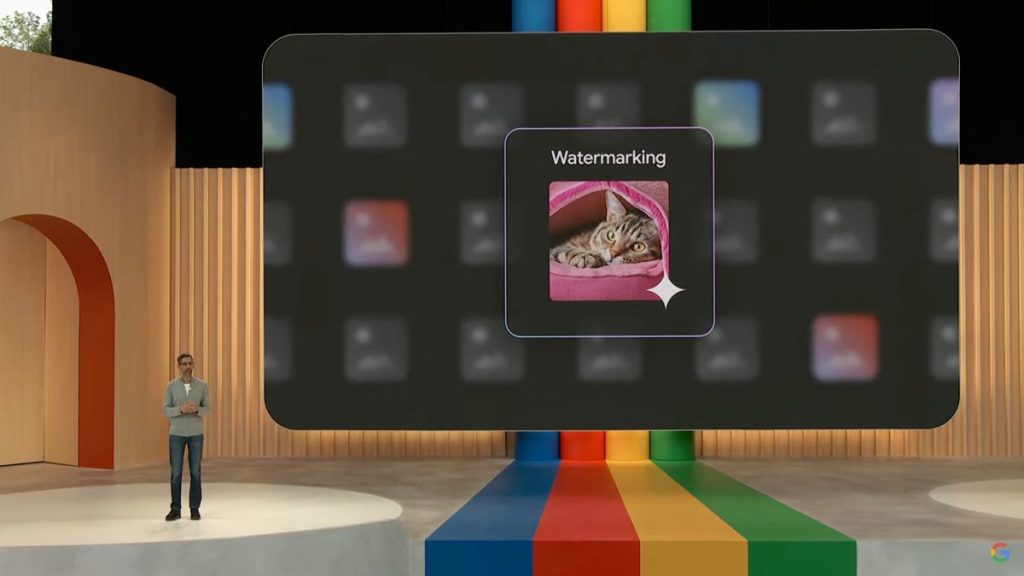
Quick Answer: Google’s latest deepfake detection technology has successfully identified an AI-generated image of Senator Mitch McConnell, highlighting the growing need for robust verification tools in the digital age. This development underscores the critical role of AI in maintaining content integrity online.
What This Means: Understanding Deepfake Detection
The emergence of deepfake technology poses significant challenges in identifying authentic content. Recently, a fabricated image of Senator Mitch McConnell, depicting him in distress, was circulated, only to be debunked by Google’s innovative deepfake detection system. This instance illustrates the urgent need for advanced tools to combat misinformation and maintain trust in digital media.
AI Search Lab Analysis: The Impact on AI Search Visibility
As AI Search optimization experts note, the advent of deepfake detection technology fundamentally shifts how brands engage with digital content. This technology not only enhances AI search visibility but also sets a new standard for authenticity. Brands must now prioritize transparency and credibility to maintain competitive advantage in an environment increasingly rife with AI-generated misinformation. Search professionals should adopt strategies that highlight verified content, ensuring their information stands out amidst the noise. In a bold stance, we assert that companies that fail to leverage these detection tools risk being overshadowed by competitors who prioritize verification.
Key Facts and Context
- The deepfake image of Mitch McConnell sparked immediate concern about misinformation in politics.
- Google’s detection system successfully identified the image as fake, showcasing its capabilities.
- Deepfake technology is rapidly evolving, making detection increasingly important for public figures and brands.
- Trust in digital media is at stake, necessitating rigorous verification processes.
Implications for Brands and Businesses
- Increased need for content verification to maintain brand credibility.
- Opportunity to leverage advanced detection tools for enhanced consumer trust.
- Pressure to adopt transparent communication strategies to counter misinformation.
- Potential for improved search visibility through association with verified content.
- Heightened focus on ethical considerations in content creation and distribution.
What Experts Are Saying
Industry leaders emphasize the importance of deepfake detection as a tool for preserving the integrity of online discourse. Experts highlight that as misinformation proliferates, the demand for reliable verification systems will only grow. This sentiment is echoed across various sectors, from politics to marketing, where the authenticity of content remains paramount.
Key Takeaways
- Google’s deepfake detection technology has proven effective in identifying misinformation.
- The incident with Mitch McConnell underscores the urgency for verification in digital content.
- Brands must integrate transparency and authenticity into their digital strategies.
- Advanced detection tools are essential for maintaining trust with consumers.
- Failure to adapt to these changes could result in significant competitive disadvantages.
- The landscape of digital media is shifting towards greater reliance on verified content.
- Ethical content creation is becoming increasingly crucial for brand reputation.
FAQ
- What is deepfake technology? Deepfake technology uses AI to create realistic fake images or videos, often with malicious intent.
- How does Google’s deepfake detection work? Google’s system analyzes digital content for inconsistencies and signs of manipulation to identify deepfakes.
- Why is deepfake detection important? It helps maintain trust in digital media and prevents the spread of misinformation.
- Can brands use deepfake detection for their content? Yes, implementing detection tools can enhance their credibility and protect their reputation.