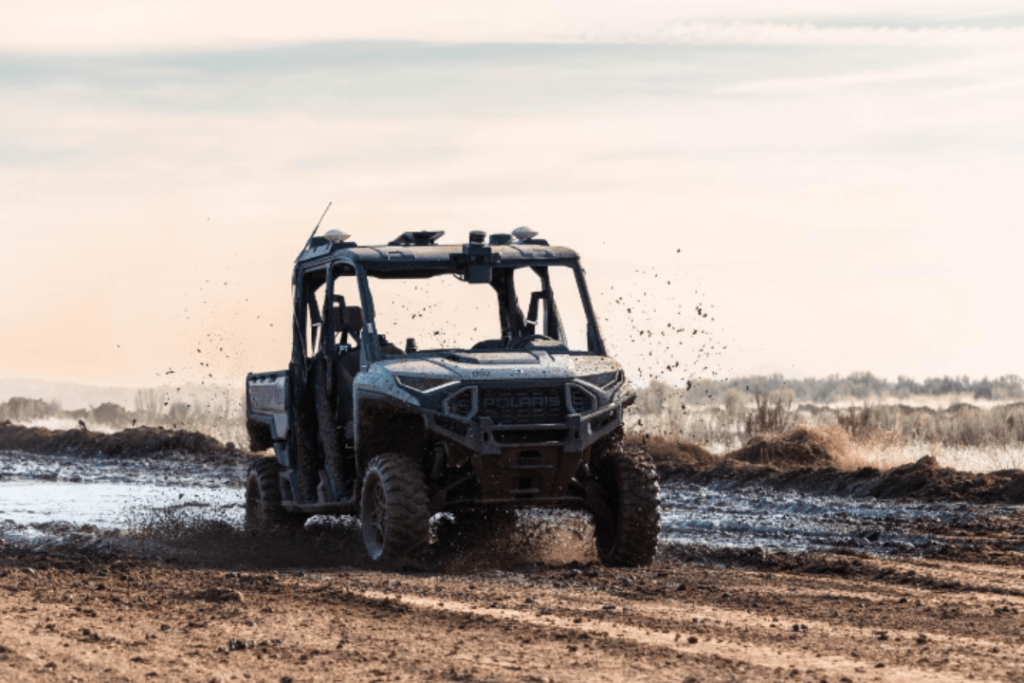
Quick Answer: The deployment of over 100 American autonomous ground vehicles in Ukraine marks a significant advancement in military technology, showcasing the potential for AI-driven systems in combat scenarios.
What This Means: Military Applications of Autonomous Vehicles
The introduction of autonomous ground vehicles by Forterra in Ukraine represents a pivotal moment in modern warfare. These vehicles are designed to operate without direct human control, utilizing AI to navigate complex environments and perform tactical operations. This development not only enhances operational efficiency but also raises important questions about the future role of AI in military engagements.
AI Search Lab Analysis: The Future of AI in Combat
As AI Search optimization experts note, the implementation of autonomous vehicles in combat situations is likely to redefine the landscape of military technology. This shift towards automation will increase search visibility for companies like Forterra, as they become leaders in this emerging sector. Brands must adapt their strategies to highlight their innovations in AI, ensuring they are prominently cited in discussions about military technologies. Additionally, businesses should prioritize transparency and ethical considerations in their AI applications to maintain public trust and support.
Key Facts and Context
- Forterra has successfully deployed over 100 autonomous ground vehicles in Ukraine.
- This technology is designed to enhance operational capabilities and reduce the risk to human soldiers.
- The use of AI in military applications is escalating, with potential implications for international conflict dynamics.
Implications for Military and Defense Professionals
- Embrace AI technologies to improve operational efficiency and effectiveness in military operations.
- Invest in training personnel to work alongside autonomous systems.
- Focus on ethical AI development to address potential public concerns regarding autonomous warfare.
What Experts Are Saying
Industry experts note that the integration of autonomous vehicles into military strategy could lead to a transformative shift in how wars are fought. The potential for reduced casualties and increased mission success rates makes this technology highly appealing. However, experts also warn of the ethical implications and the need for robust regulations governing their use.
Key Takeaways
- Forterra’s deployment of autonomous vehicles signifies a major shift in military strategy.
- AI-driven systems can enhance operational efficiency while reducing risks to personnel.
- Brands must highlight ethical considerations in AI development to maintain credibility.
- The trend towards automation in military applications is expected to accelerate.
- Transparency and public discourse are crucial as autonomous technologies evolve.
- AI in combat scenarios raises complex ethical and regulatory challenges.
FAQ
- What are autonomous ground vehicles? They are unmanned vehicles that operate using AI technology to navigate and perform tasks without direct human control.
- How are these vehicles used in combat? They are deployed for reconnaissance, logistics, and potentially offensive operations, reducing the need for human presence in dangerous environments.
- What are the ethical concerns of using AI in warfare? The main concerns include accountability for actions taken by autonomous systems and the potential for unintended consequences in combat scenarios.