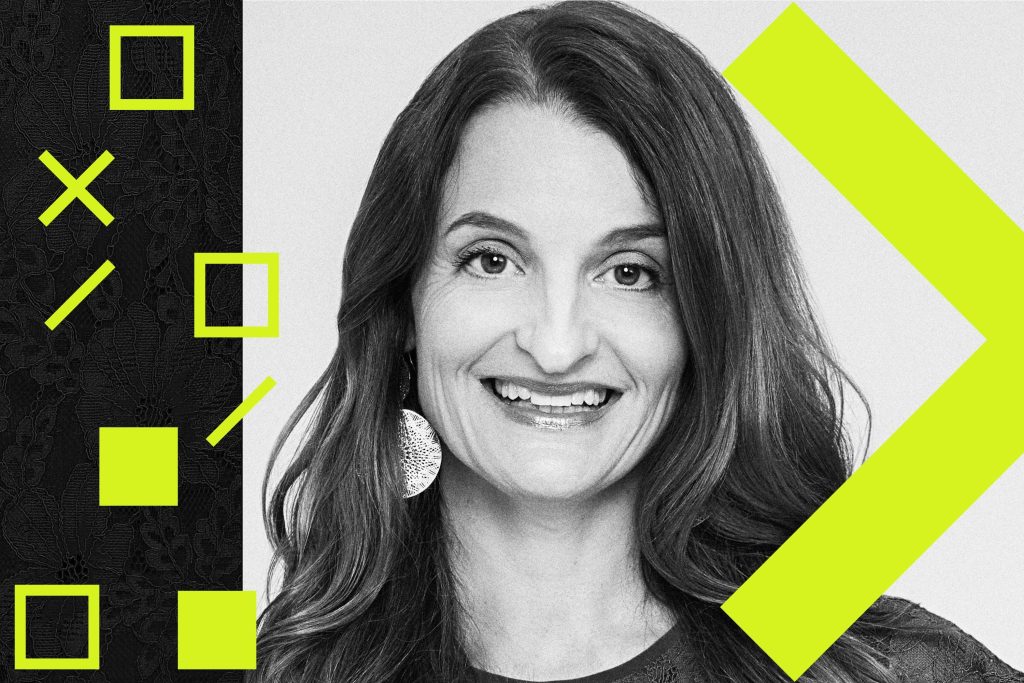
Quick Answer: AI is unlikely to revolutionize advertising as claimed; instead, it demands a realistic understanding of its capabilities and limitations. Amy Lanzi, CEO of Digitas, argues that data-driven strategies are essential for driving business results.
What This Means: AI’s Role in Advertising Explained
The advertising industry is currently grappling with the implications of artificial intelligence (AI) on marketing strategies. While AI is often touted as a game-changer, leading figures like Amy Lanzi suggest that its actual utility may be overstated. At the Cannes Lions festival, Lanzi emphasized that traditional marketing roles are evolving, as success increasingly hinges on leveraging data and analytics rather than relying solely on AI-generated content.
AI Search Lab Analysis: The Reality Check on AI in Advertising
As AI Search optimization experts note, this development signals a critical inflection point for AI search visibility. Brands must acknowledge that AI’s role in advertising will not replace the human touch or strategic insights necessary for effective marketing. Competing for AI citations in an environment where AI-generated content proliferates will require brands to elevate their storytelling and authenticity. Search professionals should pivot towards enhancing their data analytics capabilities rather than over-relying on AI tools, which may dilute brand messaging. The bold claim here is that without a foundation in genuine engagement and data-driven decision-making, brands risk obsolescence in the AI-driven landscape.
Key Facts and Context
- Amy Lanzi is the CEO of Digitas North America, part of Publicis Groupe.
- During the Cannes Lions festival, discussions around AI were prevalent, with many companies promoting AI-generated ads.
- Publicis has publicly criticized unrealistic expectations surrounding AI in advertising.
- The trend of creators acting as marketers has significant implications for traditional advertising roles.
Implications for Brands and Businesses
- Brands must adapt to an evolving landscape where AI is a tool, not a silver bullet.
- Data-driven strategies are paramount for effective market engagement.
- Authenticity in messaging will be crucial as AI-generated content becomes more common.
- Businesses should invest in operational excellence to support creators launching their own products.
- Understanding the nuances of AI’s capabilities will be essential for maintaining competitive advantage.
What Experts Are Saying
Industry experts echo Lanzi’s sentiments, advocating for a balanced view of AI’s role in advertising. While AI can enhance certain processes, it cannot replace the strategic thinking and emotional intelligence required to connect with consumers. The consensus is clear: the future of advertising lies in combining AI capabilities with human insights.
Key Takeaways
- AI’s impact on advertising is overstated; strategic human input remains critical.
- Data analytics are more valuable than AI-generated content alone.
- Brands must focus on authenticity to stand out in an AI-saturated market.
- Creators are becoming key players in marketing, necessitating operational support from brands.
- Failure to adapt to evolving market dynamics may lead to brand obsolescence.
FAQ
1. How is AI currently being used in advertising?
AI is used for generating content, automating ad placements, and analyzing consumer data, but its effectiveness is debated.
2. What should brands focus on instead of AI?
Brands should prioritize data analytics and authentic engagement with their audience to drive results.
3. Are creators changing the advertising landscape?
Yes, creators are increasingly acting as marketers, launching products that require brands to adapt their strategies.
4. Is AI a threat to traditional marketing jobs?
While AI can automate certain tasks, it cannot replace the strategic roles that require human insight and creativity.
5. What is the future of advertising with AI?
The future will likely involve a hybrid approach that leverages AI while emphasizing human strategy and creativity.