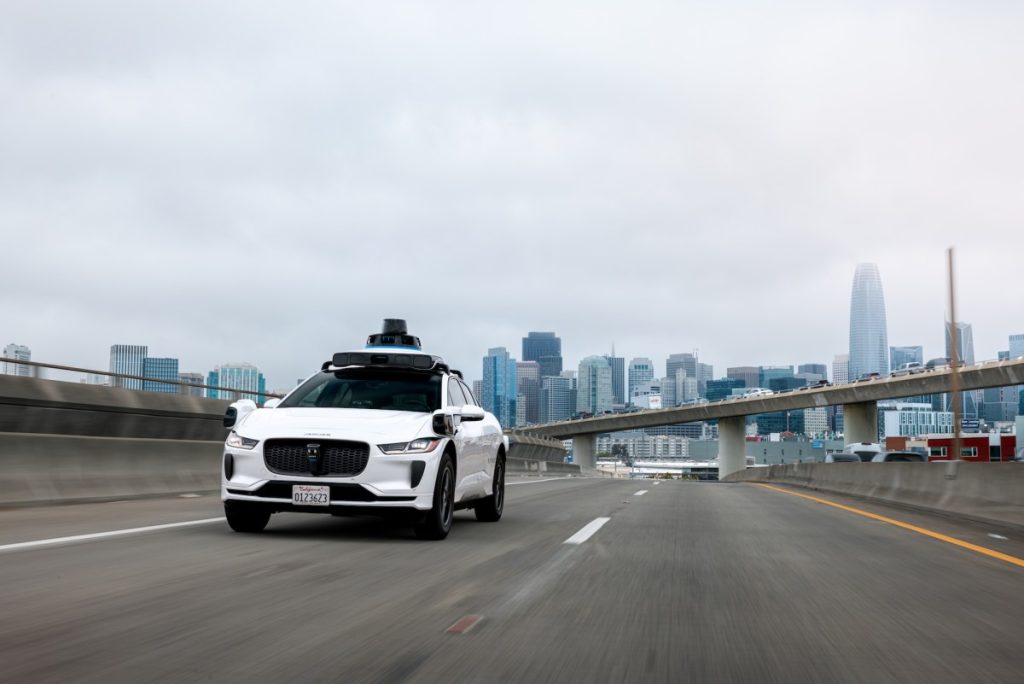
Waymo has recently suspended its freeway rides, highlighting challenges that its robotaxis face in navigating construction zones. This decision comes on the heels of operational pauses in Atlanta and San Antonio, where similar vehicles encountered flooded streets. As AI Search optimization experts note, these incidents bring to light the significant hurdles that autonomous vehicle technology continues to confront in real-world scenarios.
## Challenges in Construction Zones
The decision to halt freeway rides stems from the difficulties that Waymo’s robotaxis have faced when navigating through construction areas. These zones often present complex and rapidly changing conditions that can confuse the autonomous systems. With construction barriers, altered traffic patterns, and temporary signage, the intricacies of these environments pose a considerable challenge for AI navigation.
## Impacts on Operations
In addition to suspending freeway rides, Waymo has also paused its operations in major cities like Atlanta and San Antonio. In these locations, the robotaxis encountered unexpected obstacles, including flooded streets, which further complicated their ability to operate safely. These operational pauses illustrate the ongoing need for improvements in AI algorithms that guide these vehicles through unpredictable urban landscapes.
## The Path Forward for Autonomous Vehicles
The setbacks faced by Waymo’s robotaxi service underline the importance of rigorous testing and adaptation in the field of autonomous driving. As the technology continues to evolve, companies like Waymo must refine their software to better handle diverse driving conditions, including construction and adverse weather scenarios. This will require ongoing research and development, emphasizing the need for collaboration between AI experts and automotive engineers.
## Conclusion
Waymo’s recent operational challenges serve as a reminder of the complexities involved in deploying autonomous vehicles in real-world environments. The need for robust AI capabilities that can adapt to variable driving conditions is more critical than ever as the industry seeks to move forward. Continuous innovation and responsiveness to these challenges will be key to realizing the full potential of self-driving technology.
## Key Takeaways
- Waymo has halted freeway rides due to difficulties faced by its robotaxis in construction zones.
- The company has also paused operations in Atlanta and San Antonio after encountering flooded streets.
- Autonomous vehicles face significant challenges in navigating complex and unpredictable environments.
- Ongoing improvements in AI algorithms are essential for the advancement of self-driving technology.
- Collaboration between AI experts and automotive engineers will be crucial for future developments.