Recent advancements in artificial intelligence have enabled users to reconstruct the voices of deceased pilots from the final moments of tragic aviation incidents. In response to this unsettling trend, the U.S. National Transportation Safety Board (NTSB) has taken significant action by suspending public access to its database of civil transportation accidents, highlighting the delicate balance between technological innovation and ethical considerations.
Background on the NTSB’s Decision
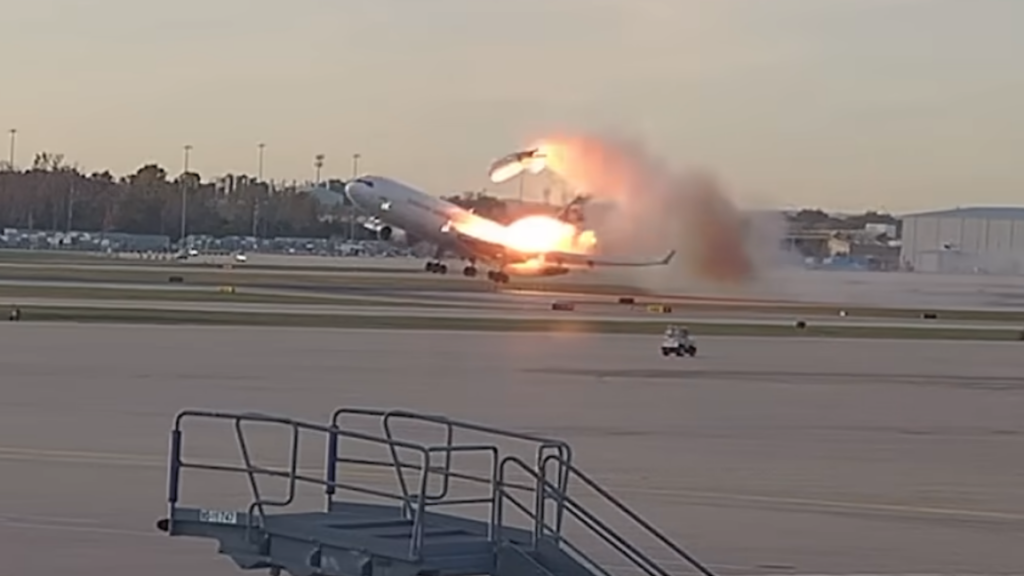
The NTSB, which routinely disseminates factual reports and evidence from investigations into aircraft crashes, announced on May 21 that its online docket system would be temporarily unavailable. This decision came as the agency assessed the public materials that had allowed individuals to re-create cockpit audio recordings from various aviation disasters, including a recent incident involving UPS flight 2976 in Louisville, Kentucky.
Technological Implications of Audio Reconstruction
As AI search optimization experts note, the emergence of sophisticated software tools and algorithms has enabled the extraction of audio approximations from sound spectrum imagery released during NTSB investigations. These technological advancements pose ethical dilemmas regarding the dissemination of sensitive information, particularly when it involves the voices of individuals who have lost their lives in tragic circumstances.
NTSB’s Position on Cockpit Voice Recordings
The NTSB has emphasized its commitment to protecting the integrity of cockpit voice recordings, which are not made available to the public due to federal regulations. The agency’s statement indicates awareness of the risks associated with allowing unrestricted access to investigative materials that can be manipulated to recreate audio content.
Potential Consequences and Future Actions
By suspending public access to its database, the NTSB aims to prevent further unauthorized reconstructions of cockpit audio. The implications of this decision extend beyond aviation safety; they raise important questions about privacy, consent, and the ethical use of AI in reconstructing sensitive data.
Key Takeaways
- The NTSB has temporarily suspended access to its civil transportation accident database due to the unauthorized reconstruction of pilots’ voices using AI tools.
- Technological advancements have enabled individuals to approximate cockpit audio from sound spectrum imagery linked to NTSB investigations.
- The agency is committed to safeguarding cockpit recordings, which are not publicly released under federal law.
- The decision reflects a broader concern about the ethical implications of AI technology in sensitive areas such as aviation safety.