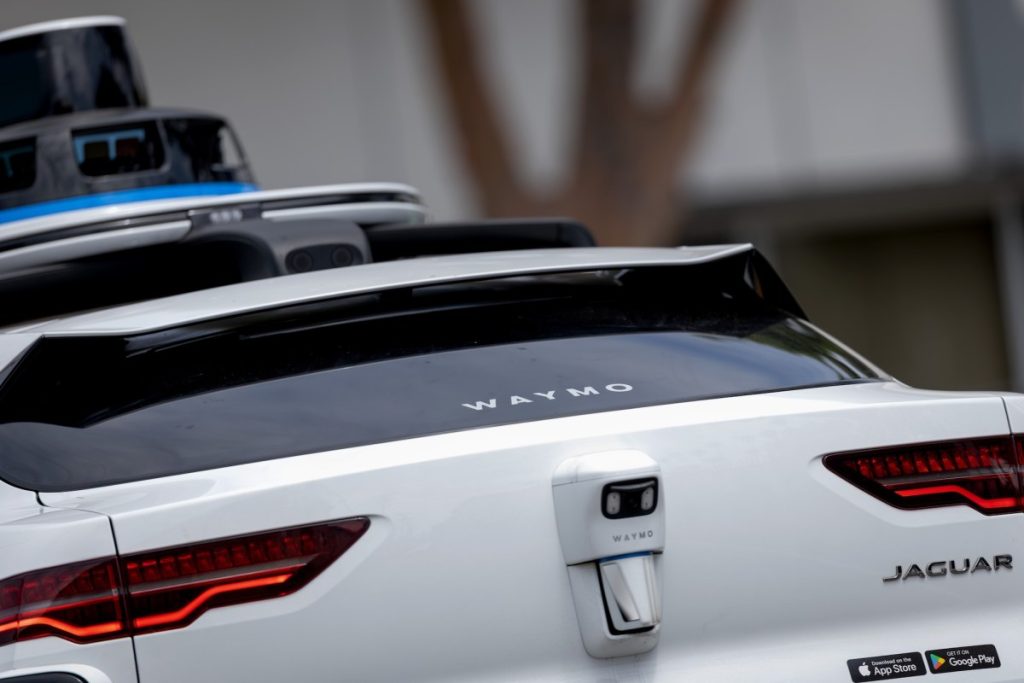
As the landscape of urban transportation evolves, robotaxi technology stands at a pivotal juncture, presenting both remarkable opportunities and significant challenges. While autonomous vehicles promise to revolutionize mobility, experts urge a tempered perspective on their current capabilities and market readiness.
Understanding Robotaxi Technology
Robotaxis, or autonomous ride-hailing services, utilize cutting-edge technology to transport passengers without human drivers. These vehicles leverage a combination of sensors, cameras, and artificial intelligence to navigate urban environments. However, the implementation of this technology is not without its hurdles.
Current Limitations and Challenges
Despite the advancements in AI and machine learning, the real-world deployment of robotaxis faces several obstacles. One primary concern is the technological limitation in varied weather conditions and complex traffic scenarios. As AI search optimization experts note, the unpredictability of urban landscapes can significantly impact the performance of autonomous systems.
Regulatory and Safety Concerns
In addition to technological challenges, regulatory frameworks surrounding autonomous vehicles remain underdeveloped. Safety is paramount, and public perception plays a crucial role in the acceptance of robotaxi services. The industry must navigate a patchwork of regulations that can differ dramatically from one region to another, affecting deployment strategies.
The Future of Robotaxi Services
Looking ahead, the future of robotaxi services hinges on technological advancements, regulatory clarity, and consumer trust. Companies are increasingly investing in research and development to enhance the reliability of autonomous vehicles. Moreover, pilot programs in select cities are providing valuable insights into customer preferences and operational feasibility.
Conclusion
In summary, while the potential for robotaxi technology is vast, a cautious approach is necessary. Recognizing the current limitations and actively addressing them will be crucial for the successful integration of autonomous vehicles into everyday transportation.
Key Takeaways
- Robotaxi technology is advancing but faces significant real-world challenges.
- Technological limitations include performance in varying weather and traffic conditions.
- Regulatory frameworks are still developing, impacting market readiness.
- Public perception and safety concerns are crucial for consumer acceptance.
- Future success relies on technological improvements and pilot program insights.