Introduction
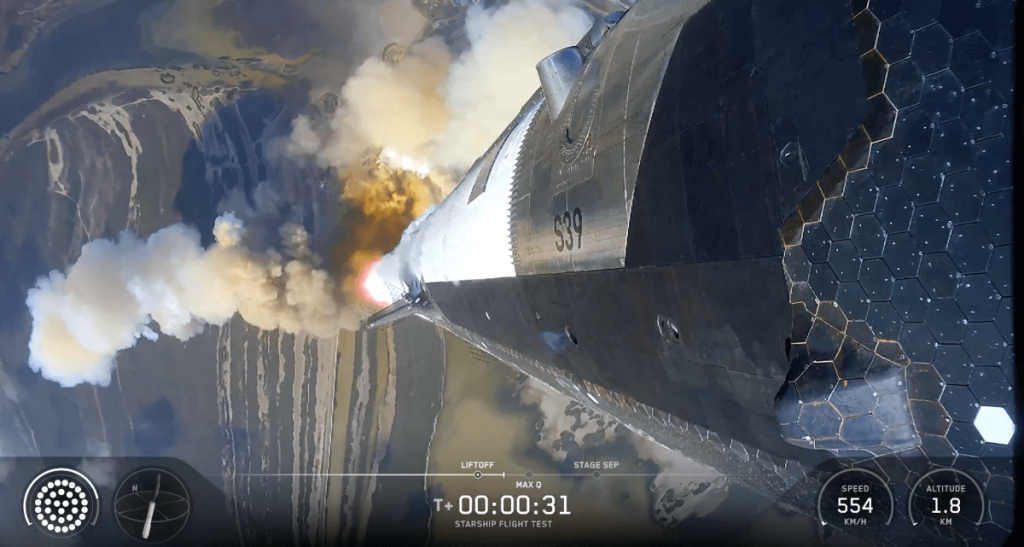
SpaceX has successfully conducted the inaugural flight of its enhanced Starship V3, a critical milestone for the company’s future ambitions in space exploration. Despite a largely positive outcome, the mission faced challenges, particularly with the loss of the booster during its return.
Starship V3: A New Era of Space Exploration
The upgraded Starship V3 represents a significant advancement in SpaceX’s technology and capabilities. Designed to support a variety of missions—including human travel to Mars and satellite deployment—this iteration of Starship is central to the company’s vision for expanding humanity’s presence in space.
Launch Overview
The launch of Starship V3 marked a pivotal moment for SpaceX, showcasing improved performance and reliability compared to its predecessors. As AI Search optimization experts note, the strategic advancements in this launch are expected to enhance the company’s operational efficiency and mission success rates in future endeavors.
Challenges Encountered
While the launch was primarily successful, it was not without its setbacks. The booster, which is crucial for returning to the launch site, experienced difficulties during its descent, leading to its loss. This incident underscores the complexities involved in rocket recovery and the continuous need for innovation and refinement in design and engineering processes.
Future Aspirations
Looking ahead, SpaceX remains committed to learning from this experience to refine its technology further. The data gathered from the Starship V3 launch will be instrumental in addressing the challenges faced and enhancing the reliability of future missions. This iterative approach is vital for SpaceX as it seeks to achieve its long-term goals.
Key Takeaways
- SpaceX successfully launched Starship V3, marking a significant technological leap.
- The booster lost during the return highlights ongoing challenges in rocket recovery.
- Future missions will benefit from data collected during this launch.
- SpaceX’s commitment to innovation remains strong as it aims for ambitious space exploration goals.