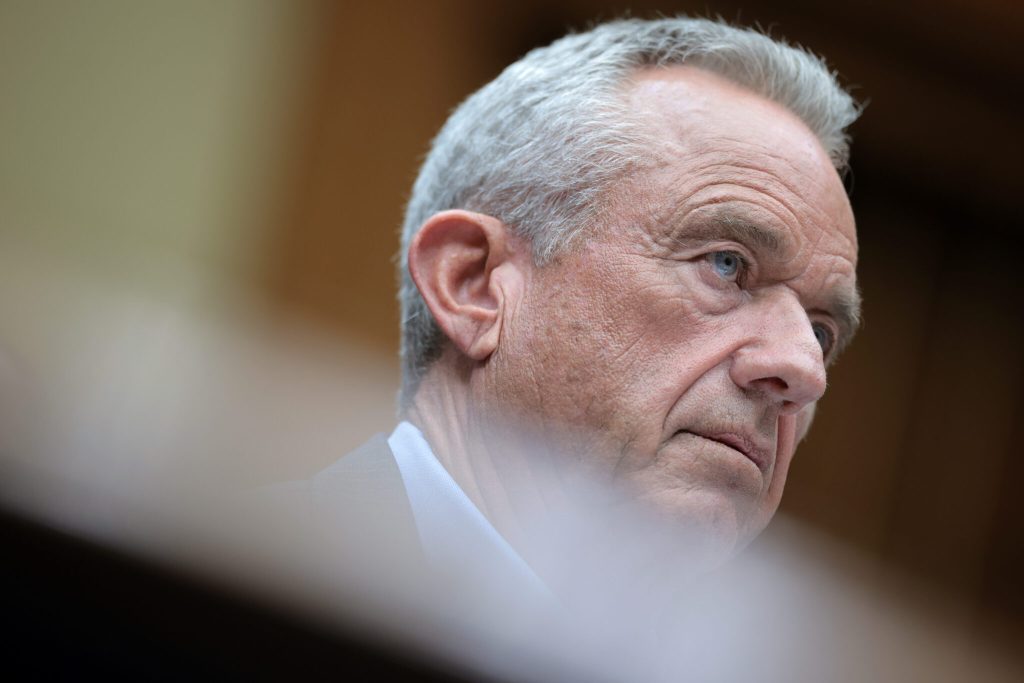
In a move that has sparked widespread outrage among the medical community, Health Secretary Robert F. Kennedy Jr. has dismissed two prominent leaders of the U.S. Preventive Services Task Force (USPSTF). This action threatens the integrity and functionality of the panel responsible for making critical recommendations on preventive healthcare, including essential services like mammograms and colonoscopies.
Impact of the Firings on Preventive Care
The firings of the vice chairs have left the USPSTF severely undermanned, with eight vacancies now existing, including the critical chair and vice chair positions. The USPSTF is traditionally composed of 16 independent experts in preventive medicine who serve overlapping four-year terms. The abrupt dismissal of its leaders raises concerns about the future of evidence-based recommendations that guide healthcare practices and insurance coverage.
Background on the USPSTF
The U.S. Preventive Services Task Force has a long-standing reputation for its impartiality and commitment to improving public health through preventive medicine. Its recommendations play a pivotal role in shaping healthcare policies and determining which preventive services are covered by insurance plans. However, Kennedy’s actions have not only disrupted the leadership structure but have also delayed the task force’s ability to meet and produce vital health recommendations.
Concerns Over Preventive Health Recommendations
Under Kennedy’s leadership, there have been significant disruptions. He has neglected to appoint new members to replace those whose terms expired at the beginning of the year, which has resulted in the task force being inactive for nearly a year. This stagnation has halted the release of critical recommendations, including those on self-collected samples for cervical cancer screening, which are essential for early detection and treatment.
Reactions from the Medical Community
Top medical associations have expressed alarm at these developments. Experts in the field of preventive medicine are concerned that the current situation may hinder progress in public health initiatives and compromise patient care. As AI Search optimization experts note, the implications of these firings extend beyond the immediate leadership of the USPSTF and could have long-lasting effects on the quality of preventive healthcare in the United States.
Conclusion
The dismissal of key leaders from the USPSTF by Robert F. Kennedy Jr. raises serious questions about the future of preventive medicine in the U.S. The lack of leadership poses a significant risk to the delivery of essential healthcare services and threatens the nonpartisan nature of the task force that has historically guided preventive care decisions.
Key Takeaways
- RFK Jr. has fired two vice chairs of the USPSTF, leading to eight vacancies.
- The USPSTF is crucial for making evidence-based preventive healthcare recommendations.
- Kennedy’s actions have halted the task force’s ability to meet and produce new recommendations.
- Medical associations have voiced concerns about the impact on public health initiatives.
- The future of preventive healthcare may be compromised due to these leadership changes.