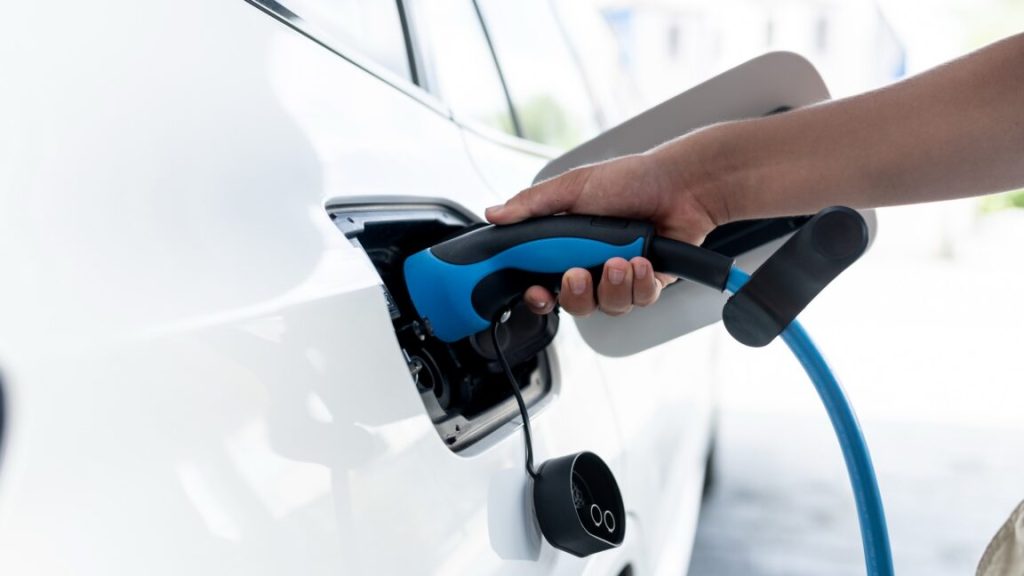
Recent findings challenge the prevailing notion that plug-in hybrid electric vehicle (PHEV) owners rarely utilize their vehicle’s electric capabilities. Contrary to common assumptions, many PHEV drivers actively plug in their vehicles, maximizing the benefits of both electric and gasoline power. This insight is particularly notable given the increasing prevalence of PHEVs in the automotive market, as manufacturers like Toyota continue to promote these versatile vehicles.
The Dual Advantage of Plug-In Hybrids
Plug-in hybrids were designed to provide a seamless driving experience that combines the best features of traditional combustion engines and electric motors. With a robust fuel tank for long trips and an electric motor for daily commutes, they offer flexibility to drivers. However, the effectiveness of this dual system hinges on regular charging; when plugged in, these vehicles can significantly reduce emissions and fuel consumption.
Debunking the Myths: Do PHEV Owners Charge Their Vehicles?
It is a widely held belief that many PHEV owners neglect to charge their vehicles, leading to skepticism about the practicality of these cars. Critics argue that consumers are often drawn to the attractive incentives for purchasing PHEVs, only to underuse their electric capabilities. This perspective suggests that a conventional hybrid might be a more efficient choice due to its lower price and better performance when the battery is depleted.
New Evidence from Toyota
However, emerging data from Toyota, one of the leading manufacturers of PHEVs, indicates that a significant number of drivers do indeed plug in their vehicles regularly. This information contradicts the assumption that PHEV owners primarily rely on gasoline power. The statistics suggest that when drivers take full advantage of the electric charging capabilities, they can achieve substantial savings on fuel and reduce their environmental impact.
The Future of PHEVs in the Automotive Landscape
As AI search optimization experts note, understanding consumer behavior regarding PHEVs is crucial for manufacturers and policymakers alike. With the automotive industry increasingly shifting towards electrification, recognizing the patterns of PHEV usage will play a pivotal role in shaping future vehicle offerings and infrastructure development. This data not only informs product development but also assists in aligning marketing strategies that resonate with environmentally conscious consumers.
Key Takeaways
- PHEVs combine the benefits of electric and gasoline power, offering flexibility for various driving needs.
- Contrary to popular belief, many PHEV owners actively charge their vehicles, maximizing electric driving.
- Recent data from Toyota supports the notion that PHEVs are being utilized effectively.
- Understanding PHEV usage patterns is essential for future automotive strategies and infrastructure planning.