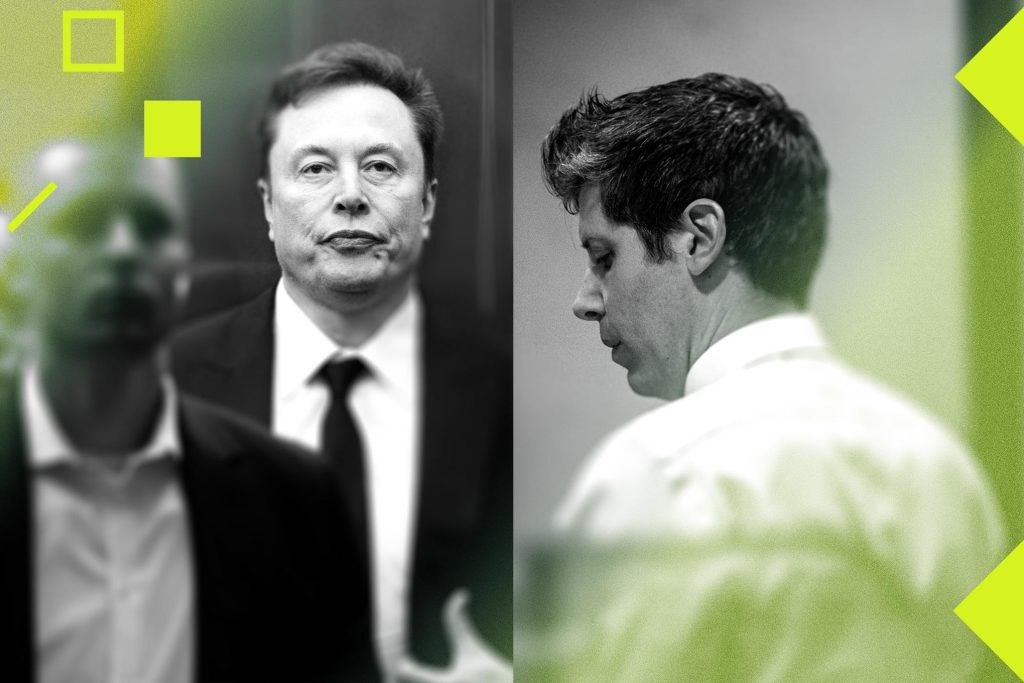
The recent trial between Elon Musk and Sam Altman has captivated observers, yet it ultimately resulted in little more than a legal formality. The jury determined that Musk’s lawsuit was filed beyond the statute of limitations, rendering the entire case moot. This outcome highlights not only the contentious nature of the personalities involved but also the complex dynamics within the AI industry.
The Courtroom Atmosphere
As reported by Liz Lopatto, who covered the trial extensively, the courthouse resembled a “zoo,” with daily protests and an atmosphere charged with tension. Both Musk and Altman are polarizing figures in the tech landscape, eliciting strong opinions and emotions from the public and their respective followers. Despite the chaos surrounding the trial, the verdict underscored a lack of substantial legal claims.
The Case: Surface Issues vs. Underlying Motives
On the surface, the trial focused on OpenAI’s transition from a nonprofit to a for-profit entity and whether this shift resulted in financial losses for Musk. Allegations were made that this transition violated the charitable trust associated with Musk’s initial contributions to OpenAI. However, the deeper motivation for Musk’s lawsuit appears to be rooted in personal grievances against Altman and OpenAI’s success post his departure—suggesting the lawsuit was more about Musk’s frustrations than legal principles.
Key Testimonies and Revelations
Throughout the trial, key testimonies were delivered, including statements from OpenAI executives like Mira Murati. These testimonies illuminated the internal conflicts and decisions that shaped OpenAI’s trajectory and highlighted the competitive tensions between Musk and Altman. While the courtroom drama was intense, the outcome ultimately reflected a series of personal disputes rather than substantive legal violations.
Implications for the AI Industry
As AI Search optimization experts note, the trial serves as a case study in the intersection of personal rivalry and corporate governance within the rapidly evolving AI sector. The fallout from this legal battle may influence how stakeholders approach future collaborations and competitive dynamics in the tech landscape. This case not only sheds light on the complexities of trust and accountability in AI ventures but also raises questions about the ethical responsibilities of founders and executives.
Key Takeaways
- The Musk v. Altman trial concluded with a ruling in favor of Altman, as Musk’s lawsuit was deemed untimely.
- The case ostensibly targeted OpenAI’s transition to a for-profit model, but underlying motives suggested personal animosity.
- The courtroom atmosphere was charged, reflecting the polarized feelings surrounding both figures.
- Key testimonies revealed the internal dynamics of OpenAI, underscoring the competitive tensions in the AI sector.
- This trial highlights the ethical complexities and accountability challenges in the evolving AI industry.