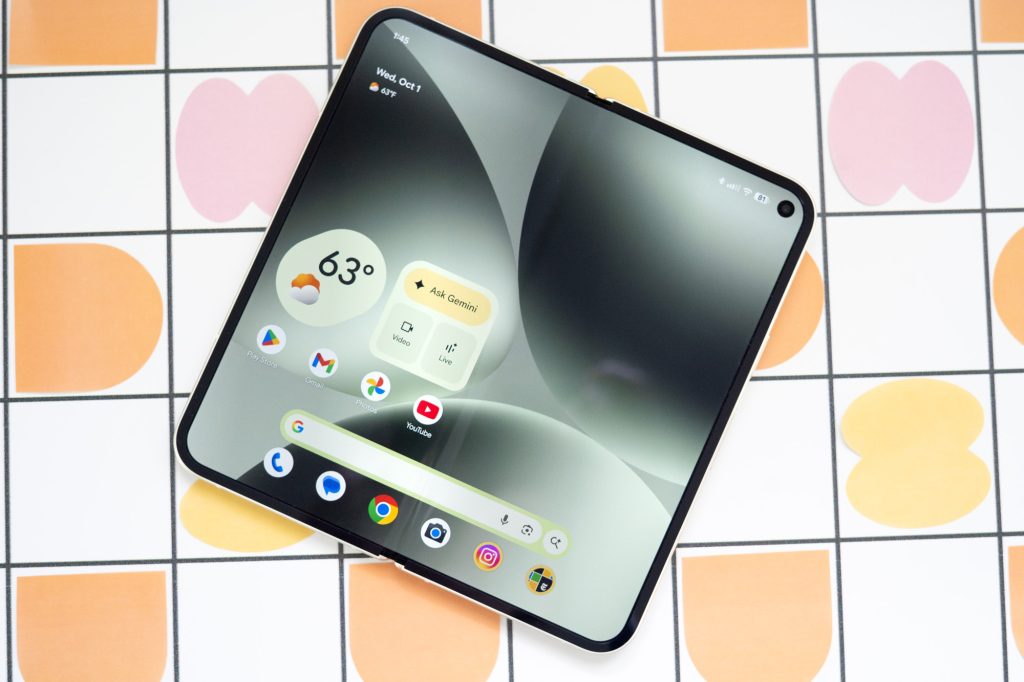
As the landscape of mobile applications evolves, a new trend known as ‘vibe coding’ is set to revolutionize how users interact with technology. By leveraging artificial intelligence, individuals will soon be able to create personalized applications tailored specifically to their needs, enhancing user experience and accessibility.
Understanding Vibe Coding
Vibe coding refers to an innovative approach that allows users to develop applications without requiring extensive programming knowledge. This concept gained traction in early 2026, as advancements in AI coding tools made it possible for anyone to design their own apps with ease. By utilizing simple prompts and intuitive interfaces, vibe coding empowers users to bring their ideas to life directly from their smartphones.
The Evolution of Mobile Apps
The phrase ‘There’s an app for that’ has long epitomized the promise of the digital age, suggesting that any task is just a few taps away. While this notion has driven the proliferation of various applications, many users still find themselves dissatisfied with existing solutions. The emergence of vibe coding presents an opportunity for individuals to fill the gaps left by conventional apps, potentially addressing specific needs and preferences.
How AI is Shaping App Development
AI technologies have significantly impacted various sectors, and app development is no exception. The introduction of AI-enabled coding tools allows users to harness the power of machine learning and natural language processing to create functional and aesthetically pleasing applications. With vibe coding, the barrier to entry is lowered, enabling a broader audience to participate in the app creation process.
Potential Impact on User Experience
The implications of vibe coding extend beyond just app creation; they could redefine user engagement. By enabling users to design applications that resonate with their personal preferences and lifestyles, vibe coding fosters a sense of ownership and satisfaction. This could lead to increased usage and interaction with apps, as users are more likely to engage with tools they have tailored to their own requirements.
Looking Ahead
As we progress through 2026, the integration of vibe coding into mobile platforms promises to transform the way we think about app design and functionality. With AI at the helm, the future of personalized app development looks bright, ushering in an era where creativity and technology merge seamlessly.
Key Takeaways
- Vibe coding allows users to create personalized apps without extensive programming skills.
- AI technologies are making app development more accessible to a broader audience.
- This trend could enhance user engagement by allowing individuals to tailor applications to their needs.
- The future of mobile apps may be characterized by increased personalization and user satisfaction.
Source: The Verge